
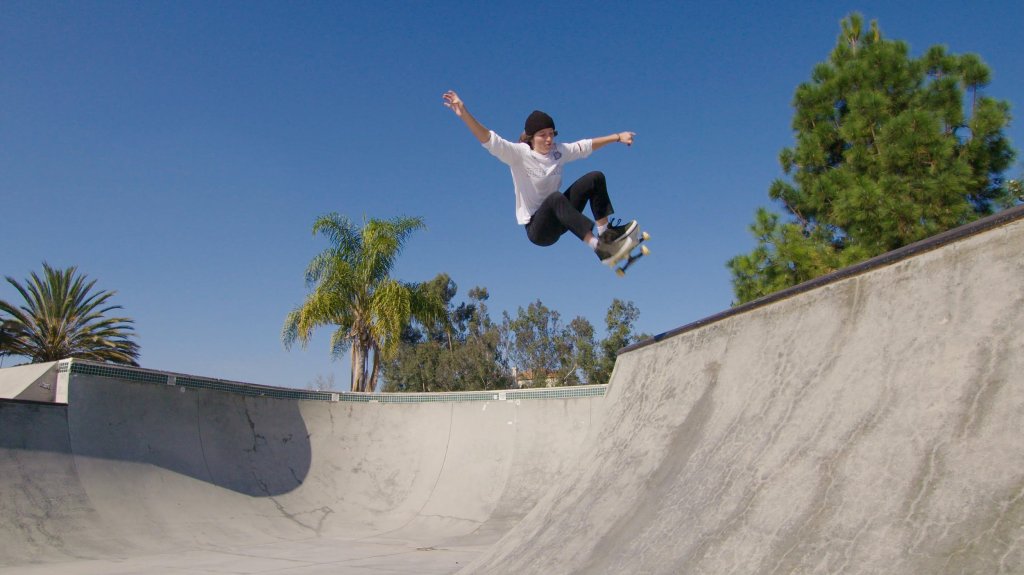
“Skate Dreams finds its footing and sticks its landing, proving to be the most comprehensive and fun film on the subject thus far”
Skate Dreams is, per the film’s proclamation, the first feature-length documentary devoted to the rise of women’s skateboarding. Moving from pioneers to the younger generation of today, it profiles a group of non-traditional skaters whose advocacy in pursuit of inclusivity and self-expression both on and off the board has influenced the world. Directed by Jessica Edwards (Mavis!), the documentary is a thorough account of how skateboarding has grown exponentially within the past couple of decades, primarily focusing on the 1990s and forward.
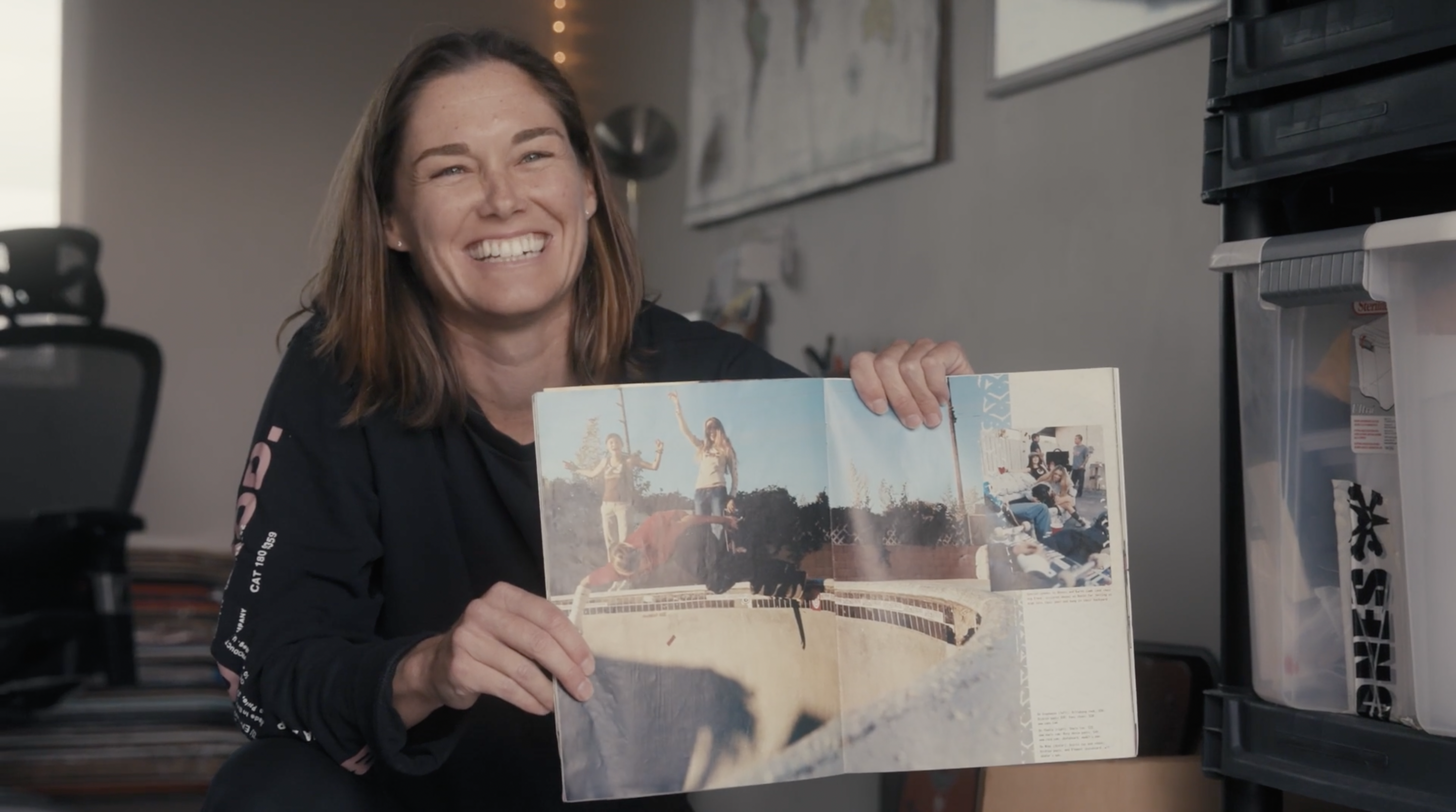
Even though women have been skating since the early days, skateboarding has long been predominantly male, resulting in a battle for non-traditional skaters to try to get the same exposure, opportunities, resources and respect as male skaters. Pioneer Cara-Beth Burnside (the first woman and still only one of few featured on the cover of Thrasher) only managed to get by economically due to a parallel career in snowboarding. Mimi Knoop—who spent most afternoons on her skateboard growing up because there was little else to do when her father was stationed in Guantanamo Bay—didn’t even know that other female skateboarders existed until she was 23.
These women skated as if no one was watching, which for a long time, was true. In 2003, archivist and filmer Lisa Whitaker created Girls Skate Network to provide a platform, worrying about the possibility of their efforts being unrecognised. As endorsement deals and sponsorships were both less lucrative and harder to come by at that time, entering competitions was essentially the only way for non-male skaters to attempt to earn money. Still, all these competitions featured inequity way beyond financial disparity, something the documentary uncovers in its account of the women’s boycott of the X Games in the early 2000s, along with how the persistent resilience of Burnside, Knoop and company eventually came to change the competition circuit for good.
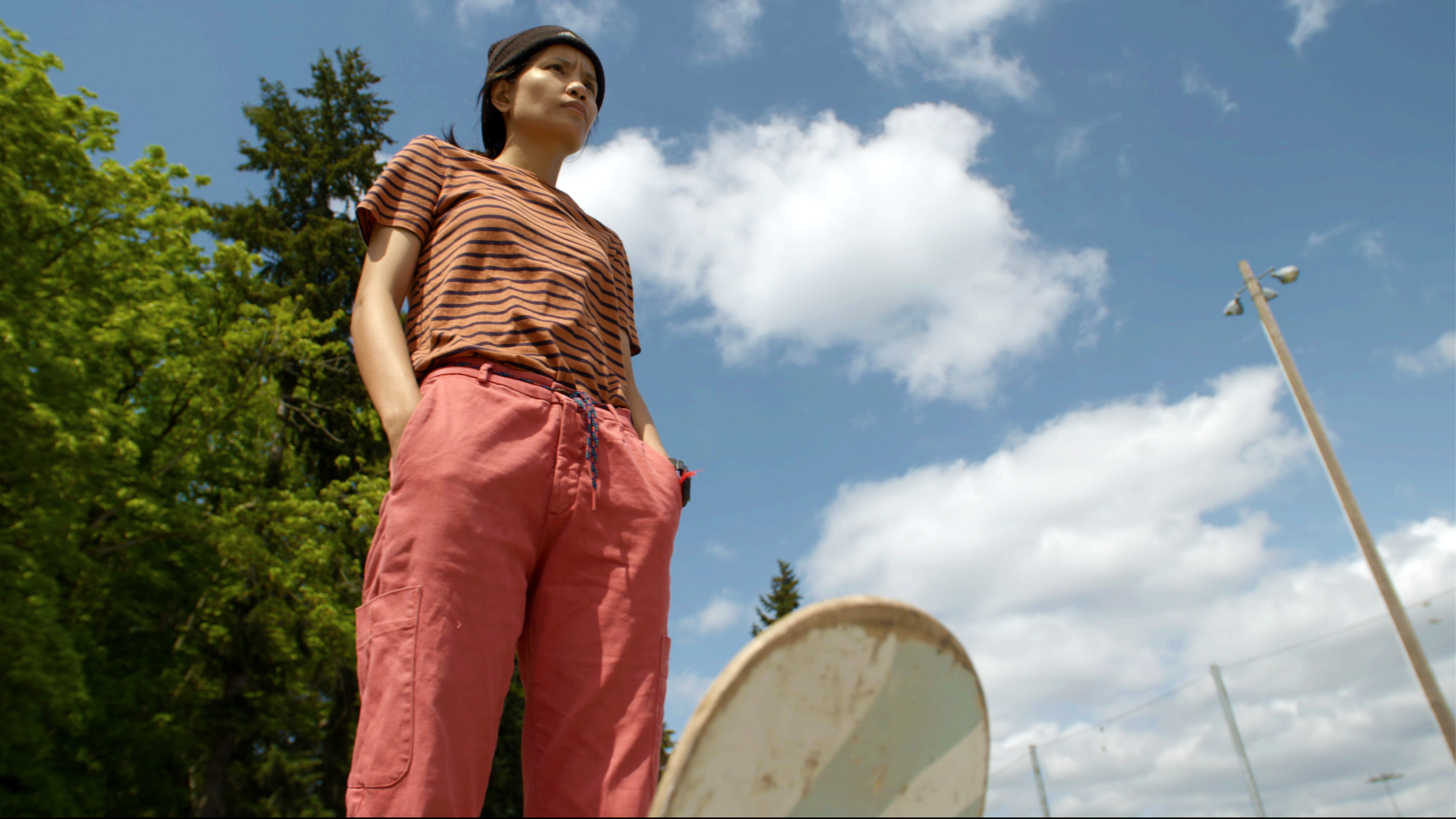
Besides Burnside and Knoop, Skate Dreams follows Nicole Hause, Nora Vasconcellos and Kouv ‘Tin’ Chansangva alongside various smaller narratives of figures within the scene. Tin, who talks about growing up in a poor and abusive home in her native Cambodia, ultimately found confidence and a way out of her self-described hell through skateboarding. Moving from student to general manager and instructor, Tin now works with the non-profit organisation Skateistan and their program in Phnom Penh to use skateboarding and education to empower children. Tin’s story is one of many that emphasise the limitless power of skateboarding for both personal and social change.
Skate Dreams utilises traditional talking head interviews interwoven with relevant footage from various competitions and video parts as well as archival footage and home videos that add heaps of intimacy. Inspiring and accessible to all regardless of prior knowledge, viewers will gain insights about skateboarding and a greater understanding of what drives each subject whilst pursuing it, eventually finding a skater whose motivations and struggles will relate more to them. Whether caught in professional settings—following Vasconcellos to the Adidas Headquarters and Hause through the rigorous process of trying to qualify for the Olympics—or simply hanging out and battling tricks, everyone’s personality shines through.
Using several subjects might often result in a loss of focus, but despite occasionally getting close to falling into these traps, Skate Dreams manages to avoid them. When documentaries feature retrospective aspects, it’s easy to get stuck on statistics, making the final product feel mechanical and impersonal. Skate Dreams triumphs because it feels genuine and lively, far from the detached and reserved analytical examinations that sometimes follow documentaries tackling issues of disparity and inequality. Despite its informative nature, it stays heartfelt in capturing a vast array of personalities.

Edwards’ vision with Maya Tippett’s editing allows many voices to be heard without ever making either of them feel lost in the masses. Instead, it leaves viewers both satisfied and hungry for more, as the kaleidoscopic approach teases the sheer number of compelling stories currently left untold. Whilst white women struggled to gain opportunities and respect, Alex White underlines that it was at least twice as hard for other marginalised communities. While a deeper exploration of diversity issues within the portrayed demographic itself would have been interesting, the inclusion of not exclusively white skaters is welcomed, including that of street skaters Jaime Reyes and Jessyka Bailey.
Since skateboarding originated in the United States, the documentary’s primary focus on American skaters is understandable. Nonetheless, the global impact of skateboarding is highlighted through Tin’s narrative and various clips from social media accounts integrated throughout. From California to Accra and Palestine, these clips playfully incorporate an Instagram-like aesthetic—complete with online handles and emojis—to illustrate the power of exposure and representation on a global scale. Attributing to the growth of women’s skateboarding, social media offered an opportunity for non-traditional skaters to remove power from the gatekeepers in search of not just a potential career but community.
If only one ideal is celebrated, every nonconforming person will always be deemed inferior by society, which lessens the beauty that accompanies personal expression and individuality. Luckily, today more people than ever see themselves reflected within the culture, and with that increasing encouragement comes more enthusiastic, exciting and experimental skating. A skateboard is more than its parts, but what it means to each skater is different and all featured skaters have various aspirations. Regardless if they dream of coaching, competing, filming parts or simply finding a community and having fun—or all of the above—it’s valid.
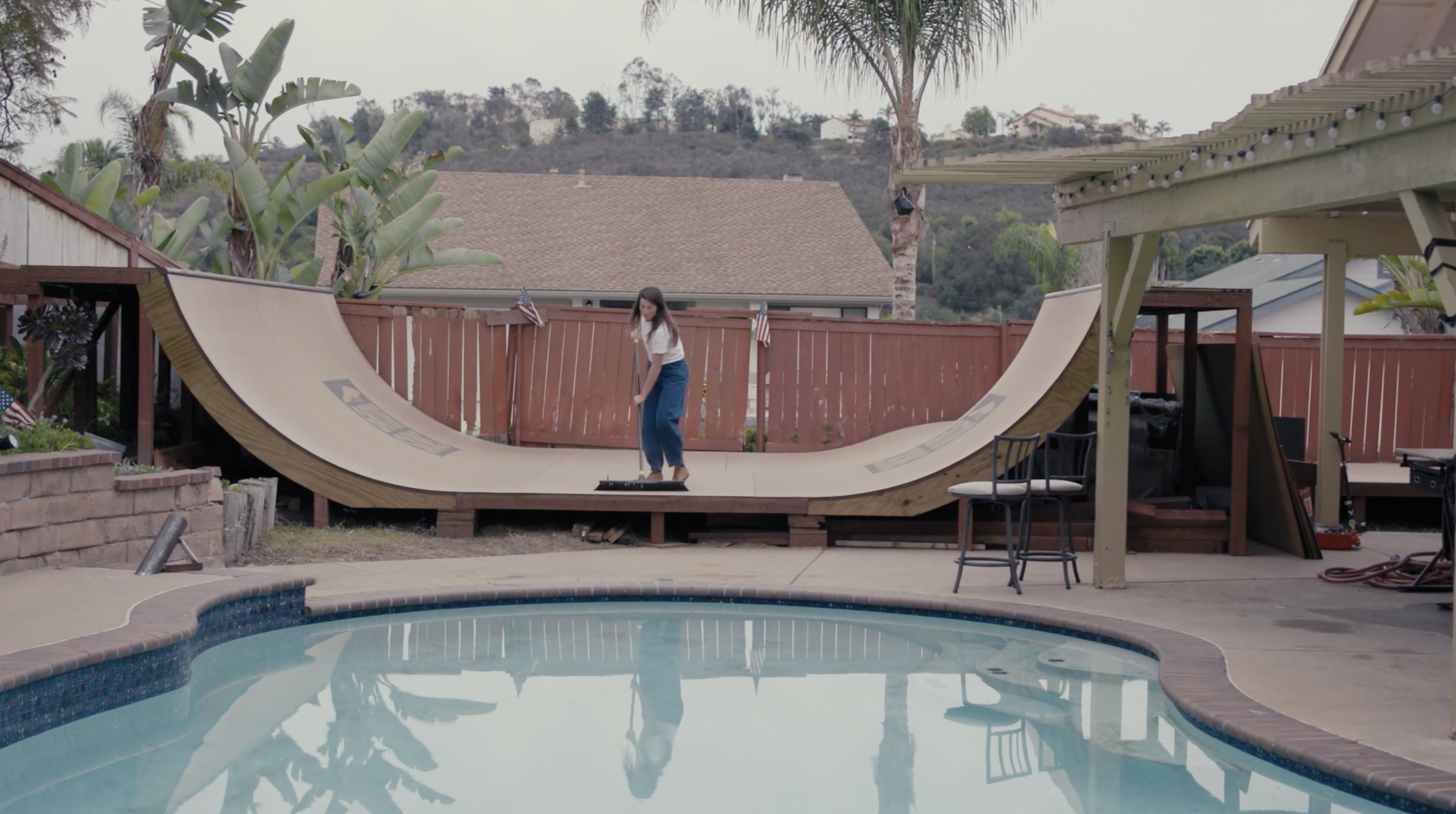
Ultimately, Skate Dreams finds its footing and sticks its landing, proving to be the most comprehensive and fun film on the subject thus far. The primary beauty of it is how it portrays its skaters individually whilst also underlining how they’re all connected. Everyone has a different story, but they are simultaneously just one told in a myriad of ways and the portrayal of each unravels surprisingly organically despite its hefty material. Weaving them all together, the documentary blends just the right amount of history and information with unpretentious moments of deeply felt human emotions and universal struggles to succeed.
So much of Skate Dreams could have easily been preoccupied with moments of defeat and never-ending battles, but instead, it conveys the power of self-discovery and resilience. This is evident in the fascinating portrait that emerges from Hause’s journey in pursuing the Olympics only for her to recontextualise what truly makes her happy after an injury. Instead of presenting it as a failure, it’s a cathartic moment of letting go as a powerful evolvement towards something else just as valid. Moreover, the story of Vasconcellos being bullied for standing out throughout her school years signifies a powerful arc as she today confidently dares to stand up for what she believes in whilst carving out her own path in life.
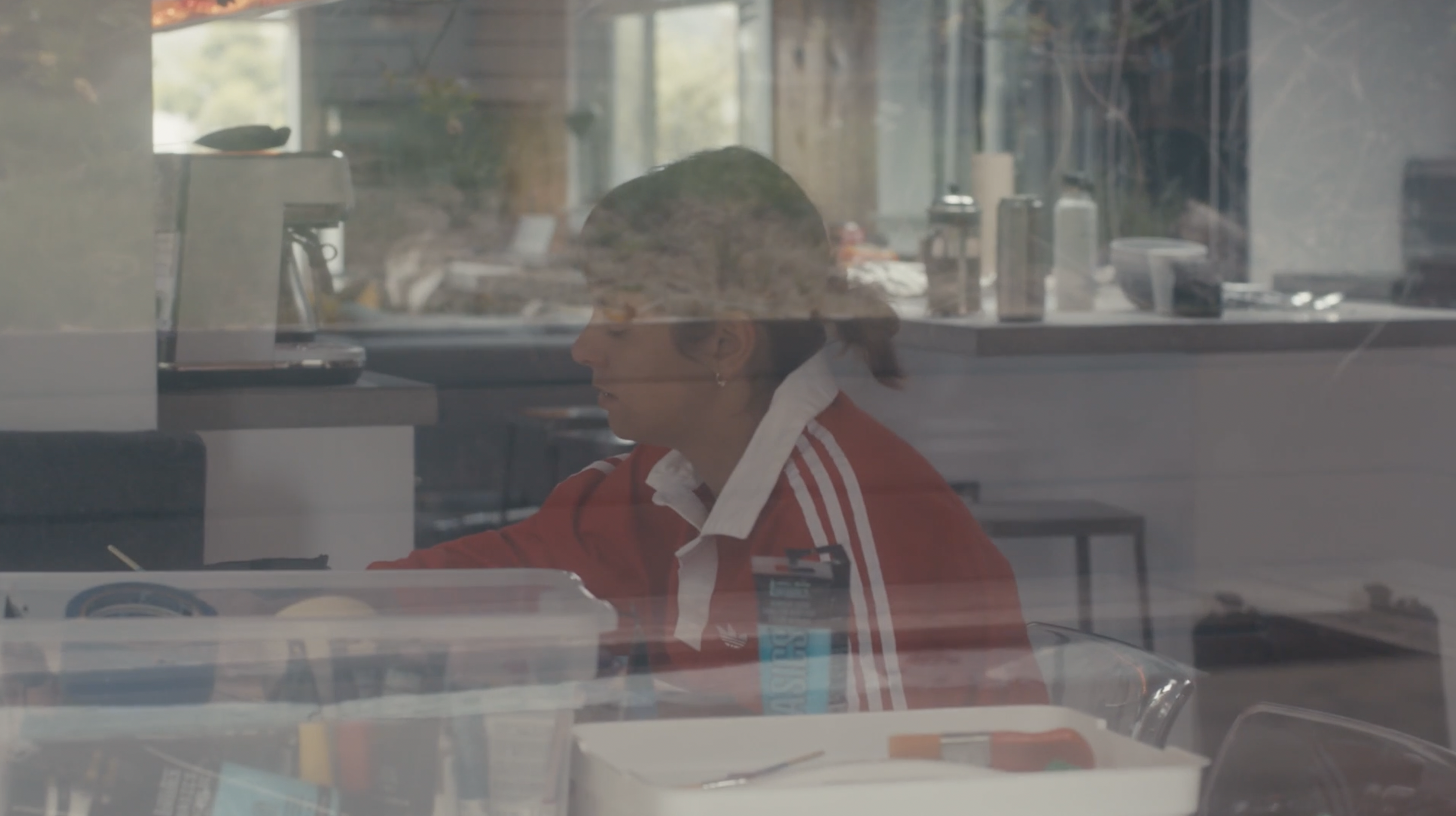
As generous as its subjects, the infectiously vibrant Skate Dreams is an introduction to some of the most prominent figures within skateboarding as well as a heartfelt celebration of the inspirational people who have all created their own paths within male-dominated spaces—most of them simply trying to be the type of person they needed when they were young. When the world so often forcefully continues to pit women against each other, it’s refreshing to see an example of the complete opposite. It’s about the love for skateboarding, but also for each other. Whether it’s a surprise pro announcement or the excitement after connecting with other skaters, the documentary underlines how much joy community brings—underlining that when these people fall and get back up to do it all over again, there’s a group of people around them to cheer them on when they do.
Director: Jessica Edwards
Producer: Jessica Edwards, Erin Owens
Featuring: Kouv ‘Tin’ Chansangva, Nora Vasconcellos, Alex White, Jessie van Roechoudt, Mimi Knoop, Lisa Whitaker, Cara-Beth Burnside, Nicole Hause, Drew Mearns, Jordyn Barratt, Alexis Sablone, Kristin Ebeling, Kim Woozy, Jaime Reyes, Charlotte Tegan, Amy Gunther Ellington, Jessyka Bailey, Sam Bolton, Mariah Davenport
Available on: VOD, Amazon, Apple TV, Google Play, Xbox, DishTV, DirectTV and other streaming platforms.



 Flip Screen
Leave a comment