We all know how summer goes: it’s a blast and it happens too fast. However, with the help of the following curated list of short films—all available online for your viewing pleasure—you can prolong the beauty of the season. Summer is for lust, spontaneous adventures and intoxicating brief encounters, but also torturous longing and heartbreak. It’s about expectations—either living up to them or not—and trying to make every little moment last. In contrast, there’s also a sense of timelessness, where the days blend in a haze and feel never-ending. These films capture the many pleasures of the season and its magic—how it feels as if anything can happen—but they also depict the disappointing realisation that sometimes things stay the same. It’s about frivolity and freedom, but also aimlessness, loneliness and grief. Whether visually, narratively, or both, these films capture characteristics of this objectively stunning season.
Agua Donkeys (2018) Dir. MP Cunningham
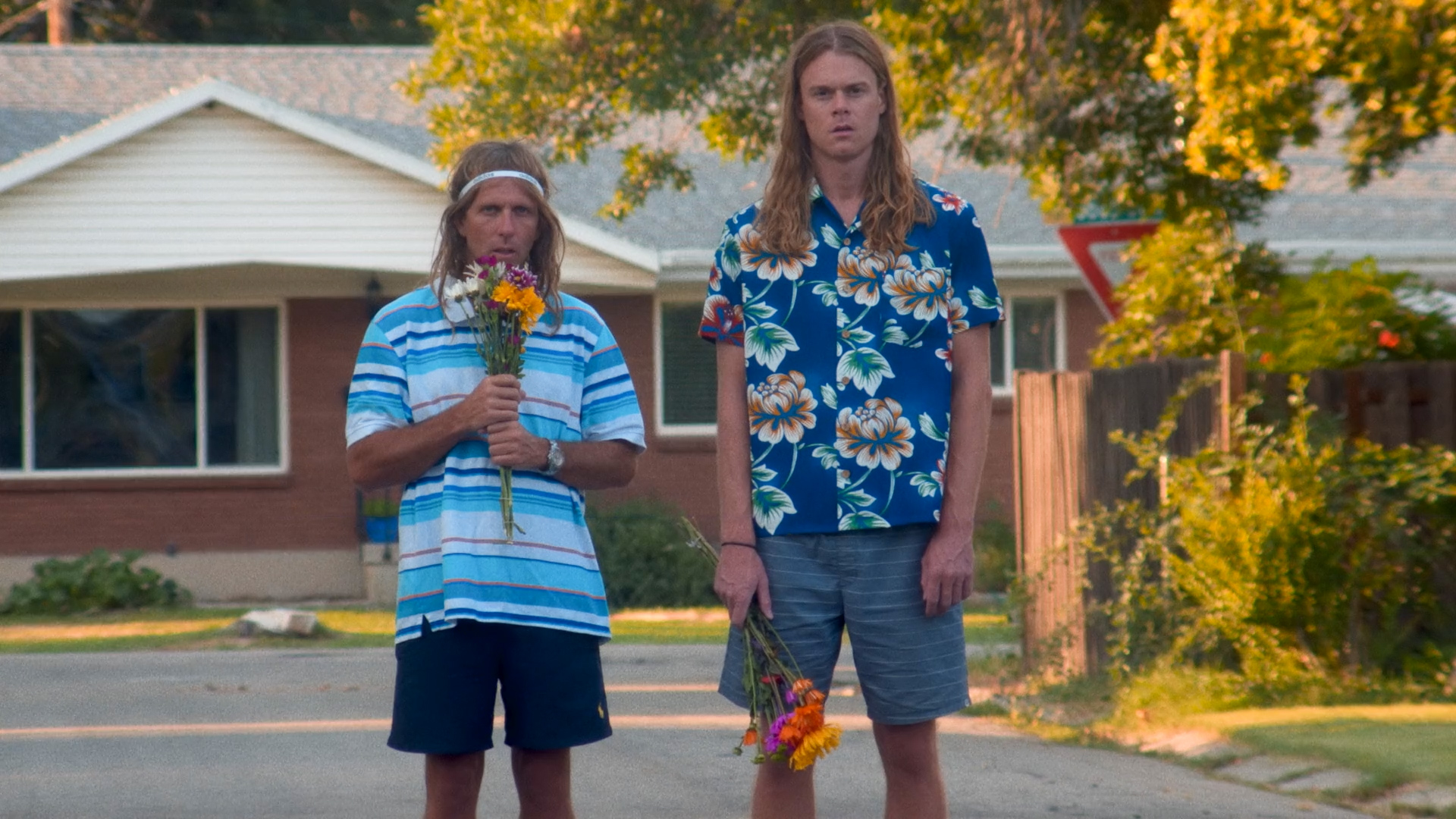
Everything about Agua Donkeys is a vibe, from the mellow stoner-style bits and puka shell necklaces to pure deadpan randomness and the 1980s teen-movie-like premise. MP (Cunningham) and Jer (Jer Jackson) are professional pool cleaners who only care about two things in life: the perfect tan and the perfect girl. To their disadvantage, their perfect girl is their co-worker Jackie (Baby Darrington). To try and dodge the strict no-dating policy at work, MP and Jer have to get creative to find a way to ask her out. MP and Jer are caricatures of sorts, adolescent boys caught in grown men’s bodies, but ultimately they are portrayed so endearingly that it makes them simultaneously humourous and sweet. Just the sight of swimming pools evokes memories of sunny lazy days lounging about without a care, and everything about Agua Donkeys elicits that precise sentiment of summertime informality. Cunningham and Jackson perfectly embody their characters and the accompanying costume design is nothing short of perfection (as are the final frames, which are some of the most visually pleasing). The idiosyncratic style of comedy will be either a hit or miss with viewers, but this is a gem for those who find it precisely in their comedic taste.
Are They Smiling? (2020) Dir. Kate Jean Hollowell
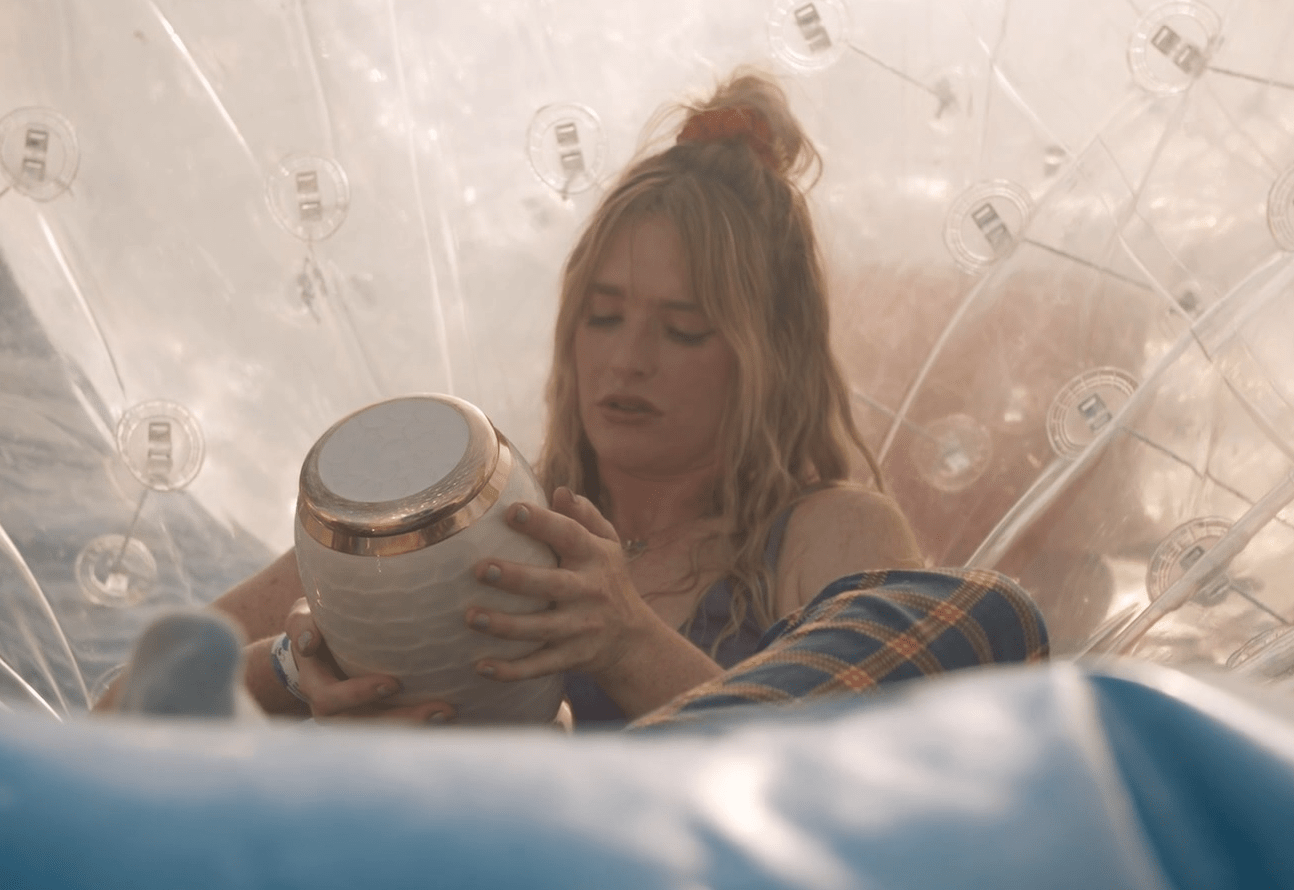
Are They Smiling? stimulates the most magical of carnival memories, with the smell of the fair almost transcending the screen. As a viewer, you can nearly feel the dusty ground of burnt grass and smell the sugar travelling through the air. It’s a place of emotions—happiness, sadness, frustration—all so pure, primal, and beautifully captured by Hollowell. Inspired by both her parents’ passing, Hollowell’s first short film—which she both directs and stars in—follows a young woman deciding to carry on the family tradition of attending the county fair, but this time with her dead parents. Weirdly enough, the short manages to visually evoke what sweet, sun-drenched, newly picked strawberries taste like. From the inviting colour palette and Hollowell’s rosy freckled skin that looks like she has spent the whole day outside, to how the natural light gradually shifts as day turns into night, it’s all enchanting and wondrous; just watching Hollowell move through the fair’s various amusement rides and games is engrossing. Featuring funny one-liners (“It’s hard to please them both now they are always together”) and an adorable dance routine, Are They Smiling? is a comedy about an unusual albeit no less valid grieving process, and the healing power in discovering that one is never alone.
Are You OK (2021) Dir. Mattis Ohana Goksøyr
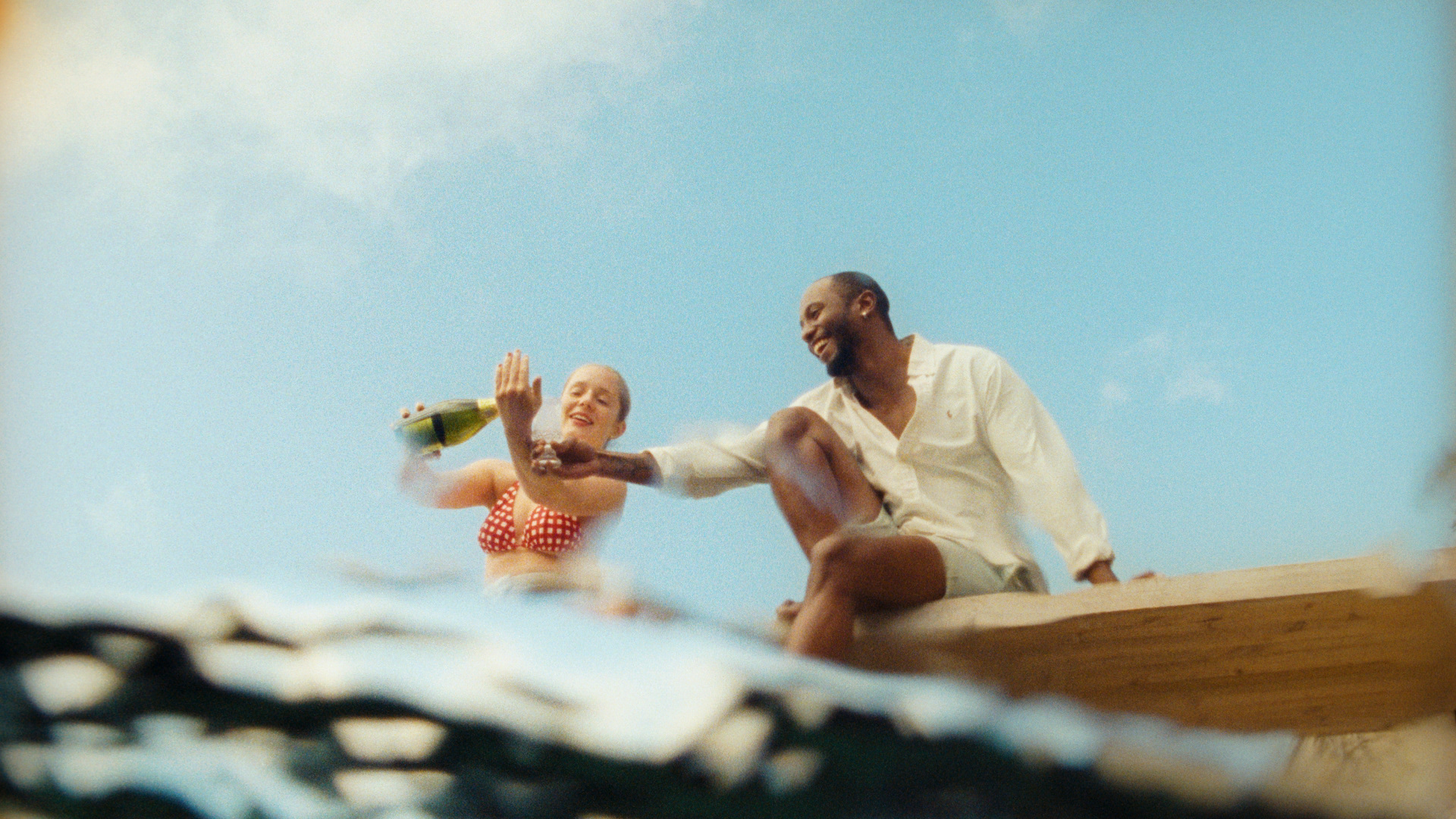
The liberation of summer lingers heavy in the air as two couples are on an idyllic break in the countryside. Are You OK begins with a scene of uninhibited sexual freedom nearly staged as a baroque painting, but a powerful orgasm unbalances the setting and results in an obsession and sense of inadequacy for one of the women. Trapped in the chase after her own elevated orgasm, the protagonist is suddenly acutely aware of her inner frustrations as she becomes hyper-aware of everything happening around her. Suddenly ordinary things like the squirt of sun lotion convey a tone of sexual suggestiveness. Leaving much up to individual interpretation, each frame of the experimental short is crafted with intention, making it potent despite its short runtime. Moreover, the imagery alone is indulgent—beautifully shot on 16mm—and the choice to focus on a sensorial approach rather than dialogue proves to be very effective for the viewing experience.
Au revoir Jérôme! (2021) Dir. Chloé Farr, Gabrielle Selnet, Adam Sillard
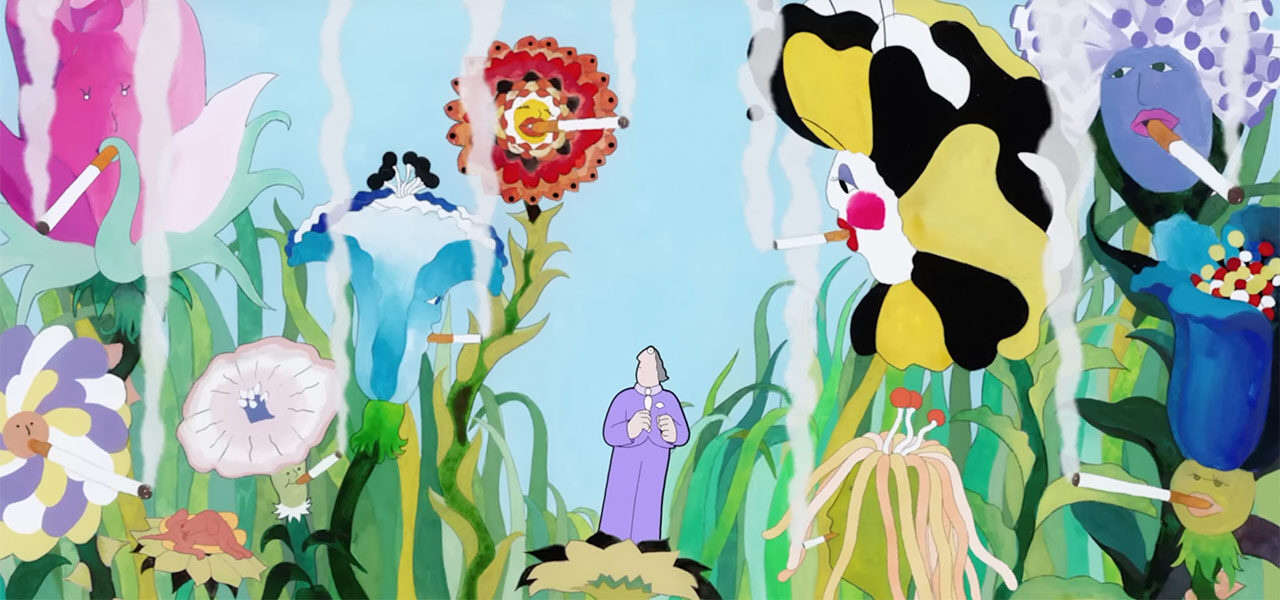
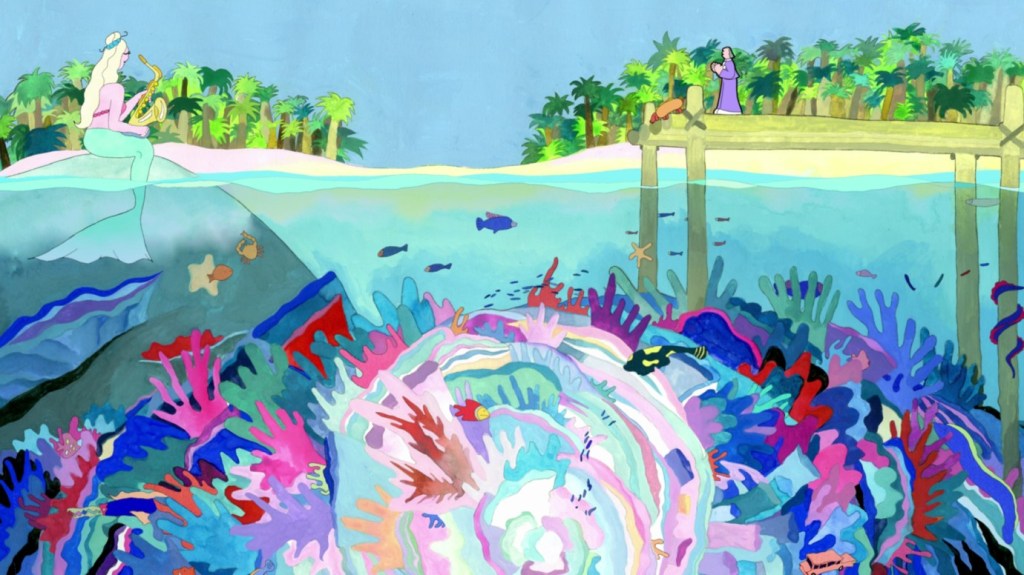
Having just arrived in paradise, Jérôme (William Lebghil) sets out to find his wife Maryline (Alma Jodorowsky). However, during the search for the lover who left him a year ago, he sinks deeper into a surreal and colourful world in which no one seems to be able to help him. With a bright and vibrant style of animation, Au revoir Jérôme! manages to feel both contemporary and timeless. The short is thoroughly captivating, as it pays equal attention to the story, the characters and the animation style itself. Bursting with colour and textures, the narrative comes together beautifully and completely immerses viewers in its audiovisual language.
Birds (2022) Dir. Katherine Propper
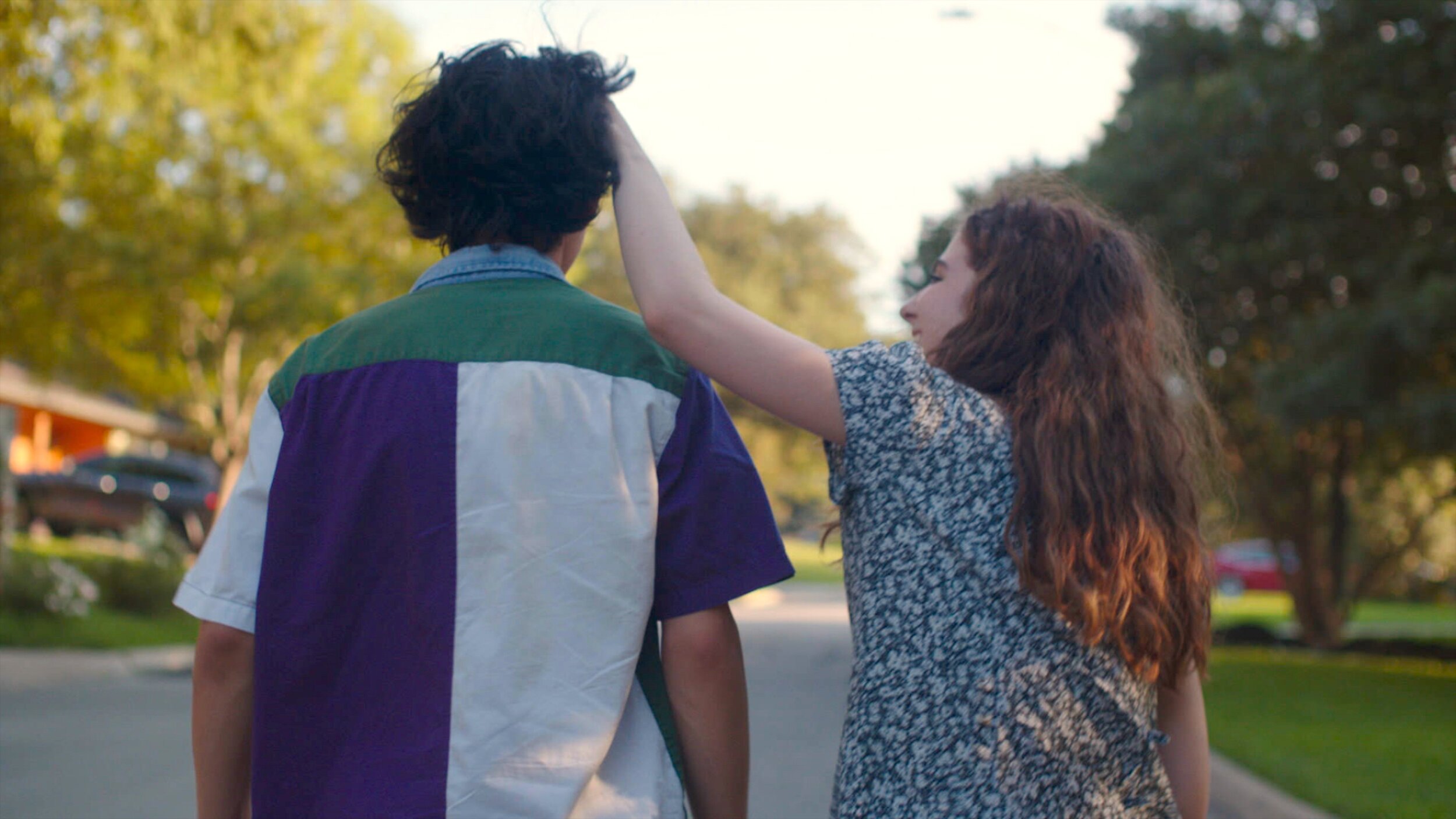
Written, directed, and edited by Propper, Birds is an ode to Austin, Texas and the lethargy and bliss of overheated days. With a naturalistic approach, the short features an ensemble cast of non-professional first-time actors as they enjoy a typical summer day, presented as a collage of vignettes. Moving from a group of cheerleaders making TikToks and jumping on a trampoline to BMX riders and a pair of urban explorers, Birds shows various ways in which adolescent kids keep busy while school is out. Shot with a handheld camera, the film is visually pleasing to the spectator’s eye, something only heightened by the use of natural light. All of these elements add to the authenticity of the events captured, making them feel as if they unravel organically in front of the camera rather than staged.
Bizarro World (2023) Dir. Abdi Ibrahim, Jonathan Salmon
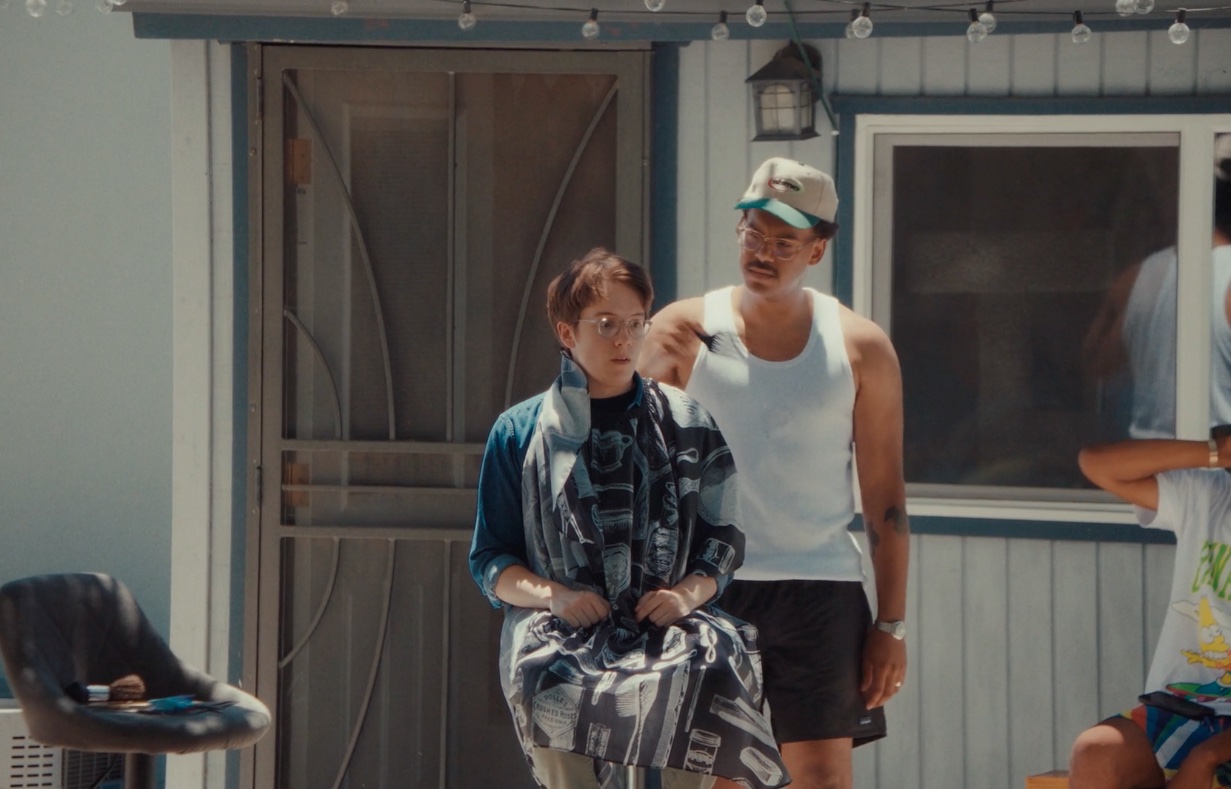
Written by Salmon and Khari Johnson, this series of unrelated shorts was inspired by the various bizarre behaviour and interactions the directors and writers witnessed in Los Angeles over the years. Bite-sized narratives that will leave you longing for more, Bizarro World creates a sort of voyeuristic experience for viewers while they watch the various situations unfold. This is further underlined in the camera work, first presenting the action from afar before slowly zooming in. While a zoom-out emphasises the distance between the subject and viewer—between us and them—the zoom-in does the opposite. The more space the interactions take up within the frame, the more intimate it is. Everything about this film—including its location choices but primarily its premise—evokes curiosity for more.
Boob Sweat (2018) Dir. Charlotte Guerry
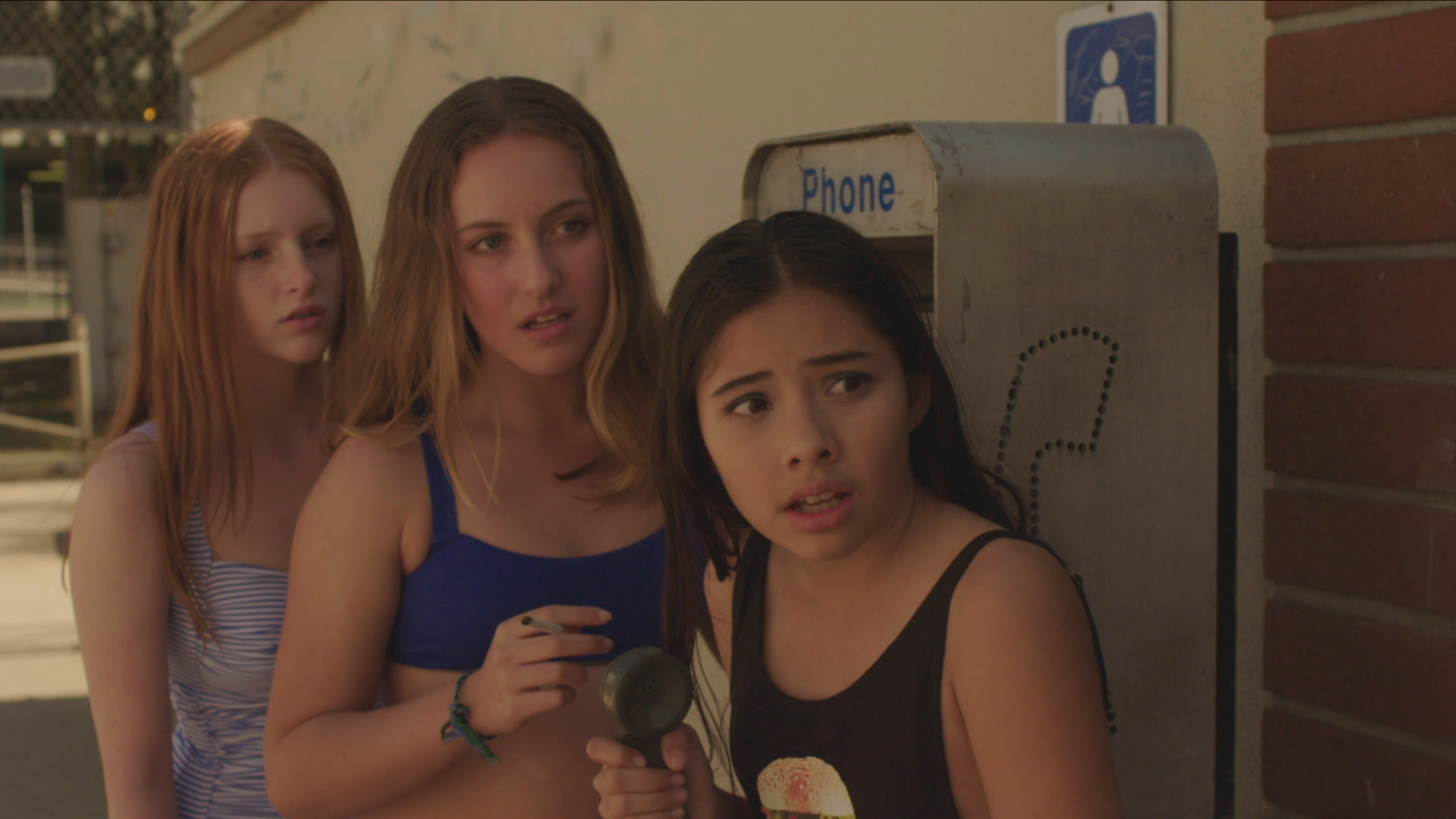
In the summer of 1976, Francis (Xochitl Gomez) and her two best friends make a creative yet misguided plan to kiss the coolest boys in the seventh grade. Despite their best efforts, things go awry, forcing the girls to confront their lack of experience. Written by Ariana Coyle and Kirsten Walz, this coming-of-age tale has a sweetly nostalgic spirit of innocent eagerness as it explores the gap between childhood and adulthood. From clumsily applying makeup to smoking cigarettes, the details hit home in the most endearing of ways. These kids try on identities and perform gender norms, essentially trying to replicate the behaviour detected from observations of the adults around them. Featuring one of the most memorable film viewing scenes in recent memory, Boob Sweat is so charming and playful in both story and execution, including its editing style. However, while it might flirt with details of the period it portrays, the emotional terrain is wholly universal.
Buzzkill (2020) Dir. Kathy E. Mitrani
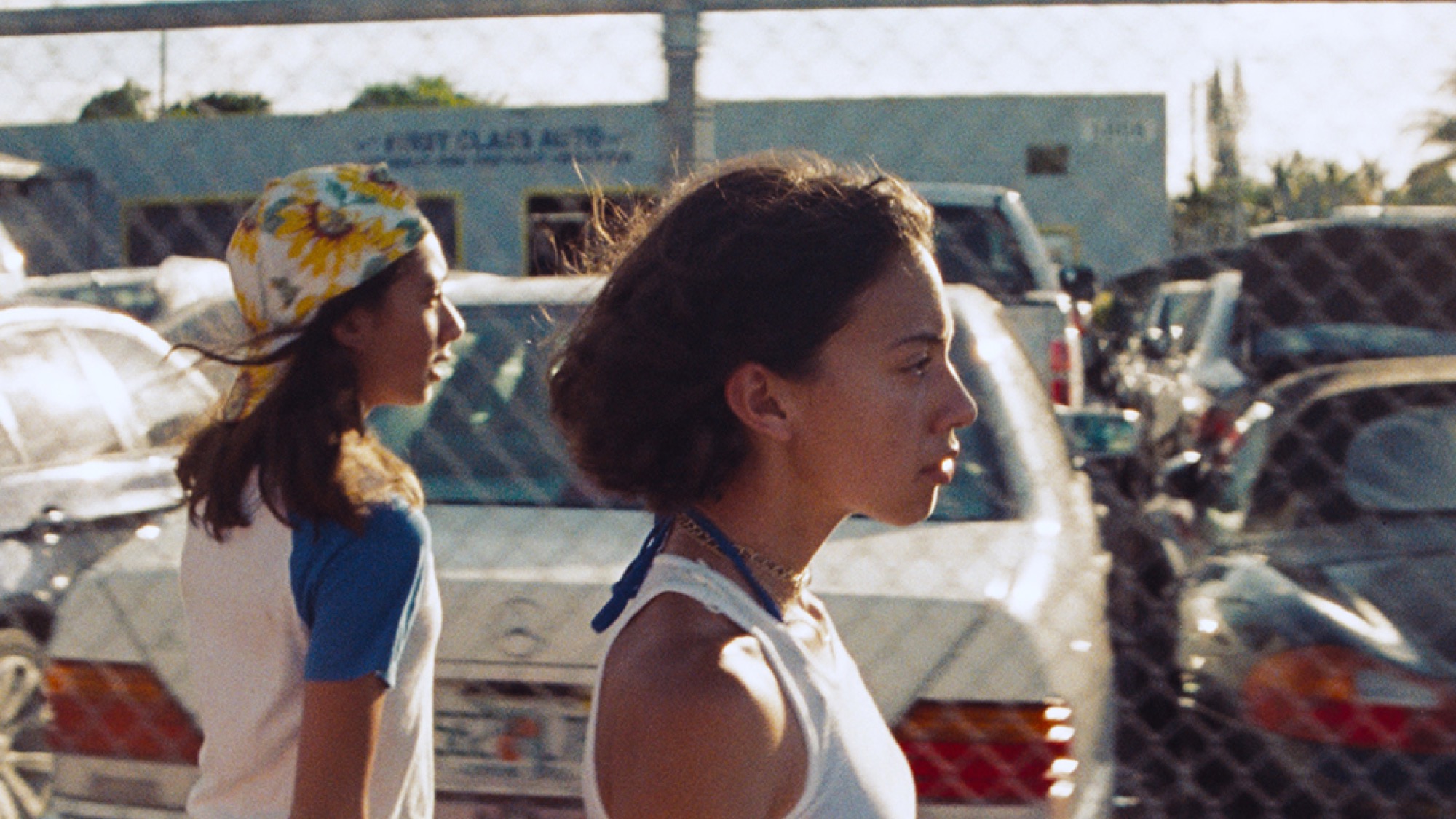
While stories of teenagers growing up through the mundanity of summer is nothing new, Buzzkill captures this inner turmoil and uncertainty with painful accuracy as a young girl named Adrian (Sofia Abad) desperately tries to fit in with a group of South Florida teenagers. As she spies on them, her younger sister cautiously following along, she eventually breaks into a private pool—an action in and of itself proving that she is willing to defy rules to fit in. Buzzkill looks stunning with alluring, softly saturated 16mm imagery, its gritty look and organic camerawork only adding to the experience—almost as if the viewers themselves are observers of the group. The use of non-professional actors provides a valuable component and the stakes feel so real, including the explorations of curiosity, longing, peer pressure and insecurity. Choosing to encapsulate the feelings of being young rather than trying to create a story to convey these feelings, Mitrani’s short captures these deeply felt emotions and conflicts so believably while never overdoing it.
Dig Your Own Grave (2019) Dir. Kirk Larsen
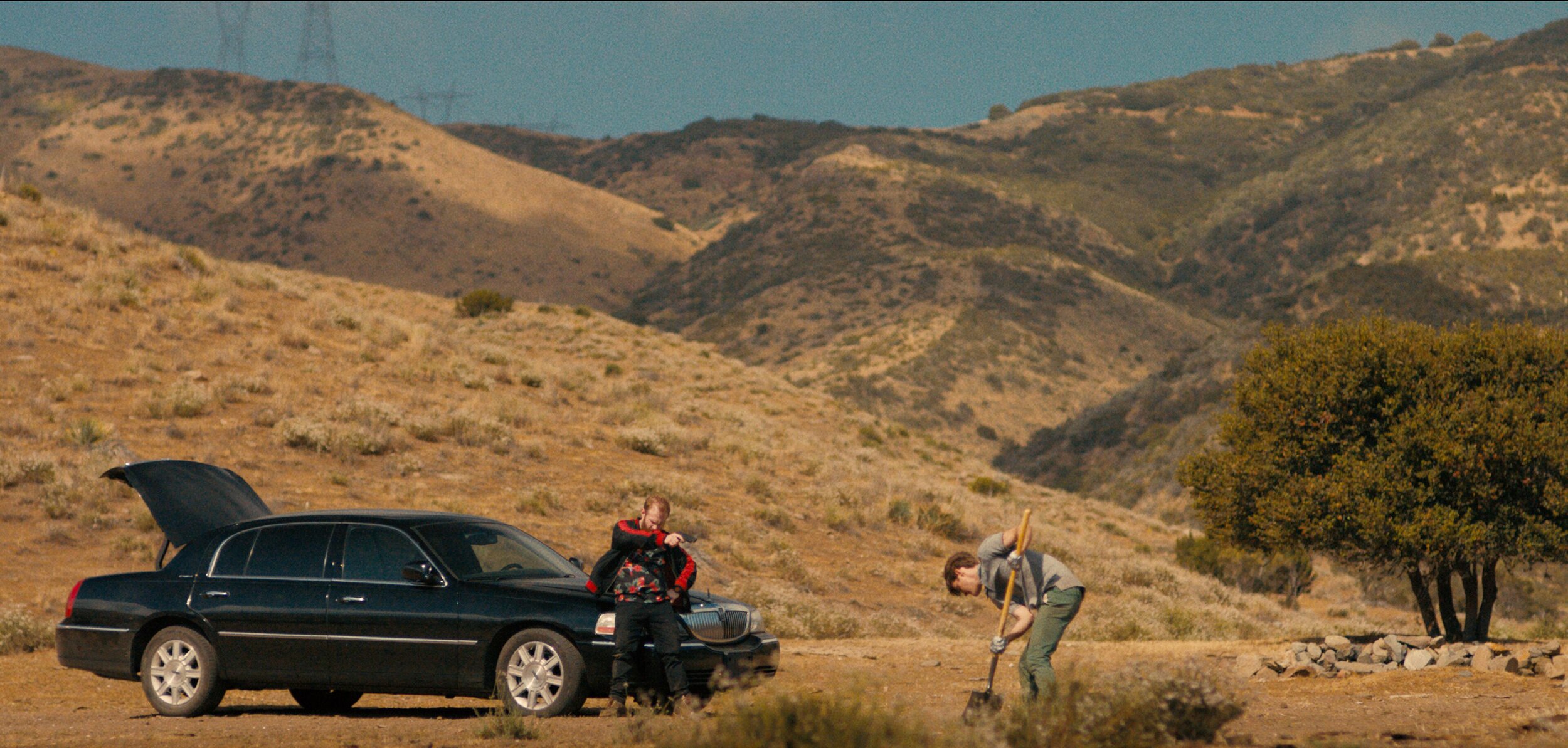
Shot in the desert outside Los Angeles for two days, Dig Your Own Grave features two guys, one shovel, and an accurate portrayal of the sweaty and dull act of physical work. Built on the dark premise of a hitman (Henry Zebrowski) forcing another man (Amos Vernon) to dig his own grave, the short toys with what the audience has come to anticipate and expect from similar stories. The notion of people going out to the desert to get rid of a body is nothing new, but this narrative underlines how hard it can be to actually dig a grave—something rarely depicted in fiction. As the blazing sun and sparse landscape transcend through the screen, the viewer can almost feel the sweat and dirt the characters accumulate throughout the day.
Été (2017) Dir. Gregory Oke
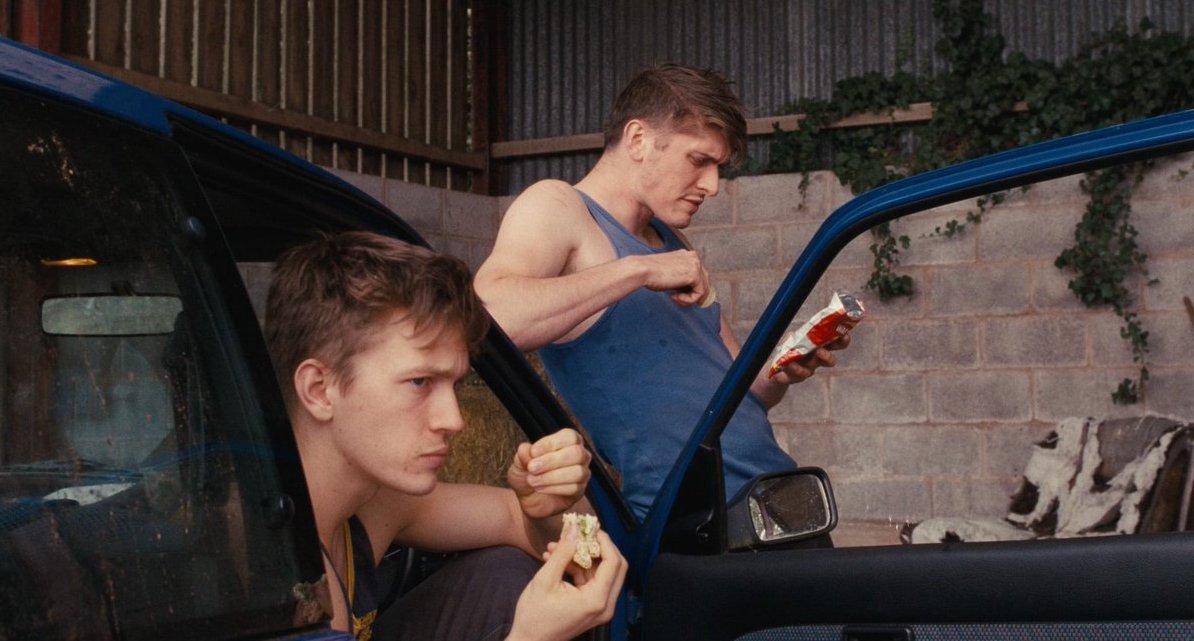
Set in the idyllic countryside, Été follows Rhys (Dan Partridge), a frustrated young sheep shearer, and his growing desire for his colleague Freddie (David Burnett). As the two share a close friendship, the potential consequences are a lot more complex than a passing crush, and the entire short covers the frustration brewing beneath the surface due to uncommunicated feelings. Partridge, who impressively conveys much of Rhys’ inner turmoil through facial expressions and body language, also executes one of the all-time greatest karaoke scenes that beautifully wraps it together. Oke, who shot the achingly stunning Aftersun, delivers an expert exploration in longing. From beginning to end, every element is well executed, from the subtle and layered acting to the stunning scenery of the country landscape, its free wilderness only further contrasting the unyielding façades. Perfectly paced, Été is a tender exploration of masculinity in contemporary, rural Britain where every single jaw clench and longing stare only helps to build pressure that is only waiting to erupt.
Fast and Loose (2018) Dir. Whitmer Thomas
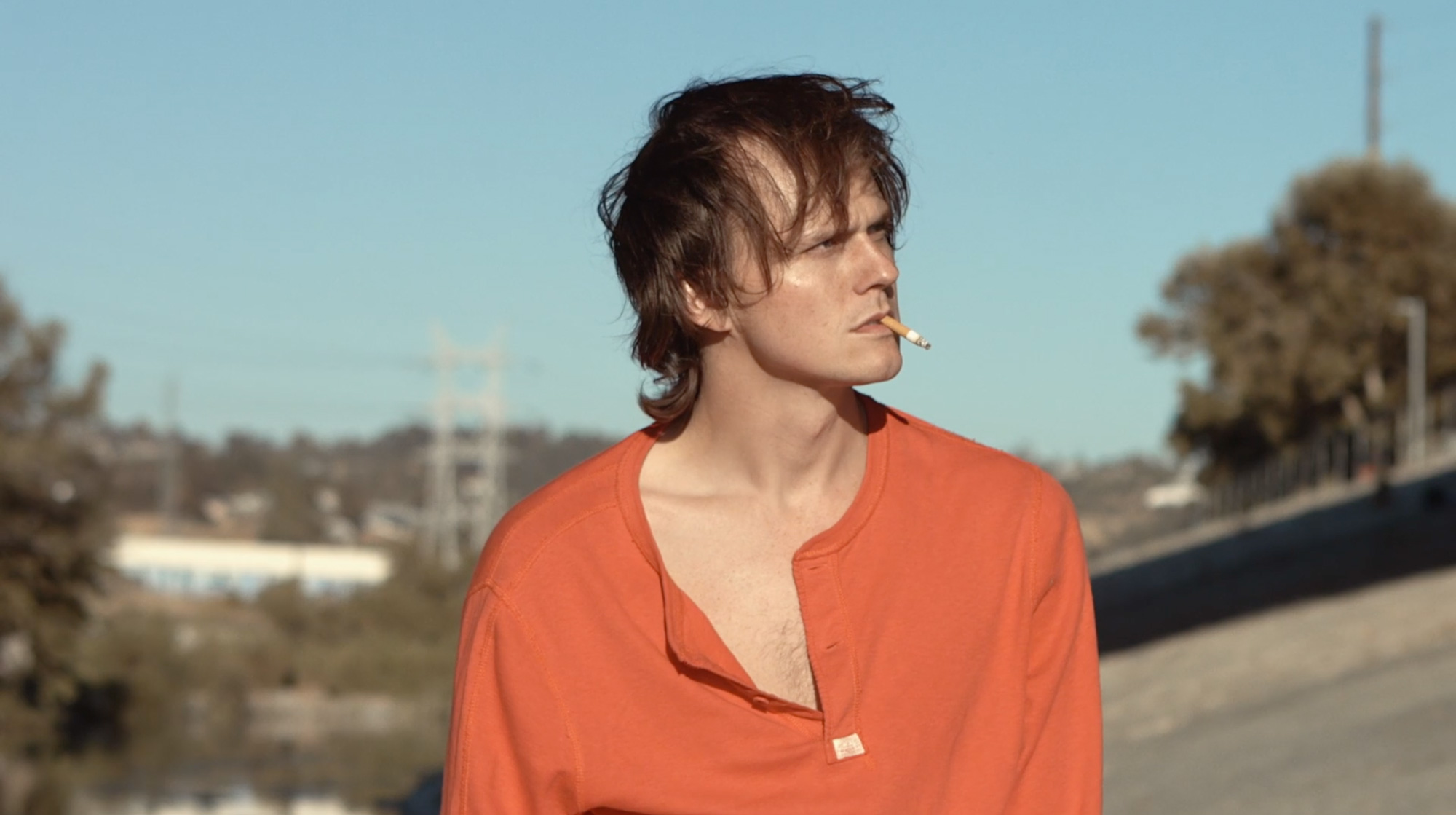
Do you know that friend that continuously offers unsolicited advice, yet is unaware of how little they have their own shit together? The kind of person who is focused on other people’s issues instead of facing their own? Fast and Loose introduces the audience to this exact type of person. The mumblecore hangout film follows Whit (Thomas) as he meets up with a series of friends, only to alienate them in various ways. Beautifully shot, the short makes Los Angeles look as beautiful as ever—especially in its sun-drenched warm imagery of the daytime—but also with its nighttime shots lingering on shades of blue. Featuring an amazing score including saxophonist Michael Pedicin Jr., the short is organically funny, and the heavy focus on dialogue works so well when the writing is as good as it is. The dialogue is witty and quick, moving from uncomfortable truths to open bickering, exposing layers of vulnerability within each character.
Forever Tonight (2020) Dir. Swetha Regunathan
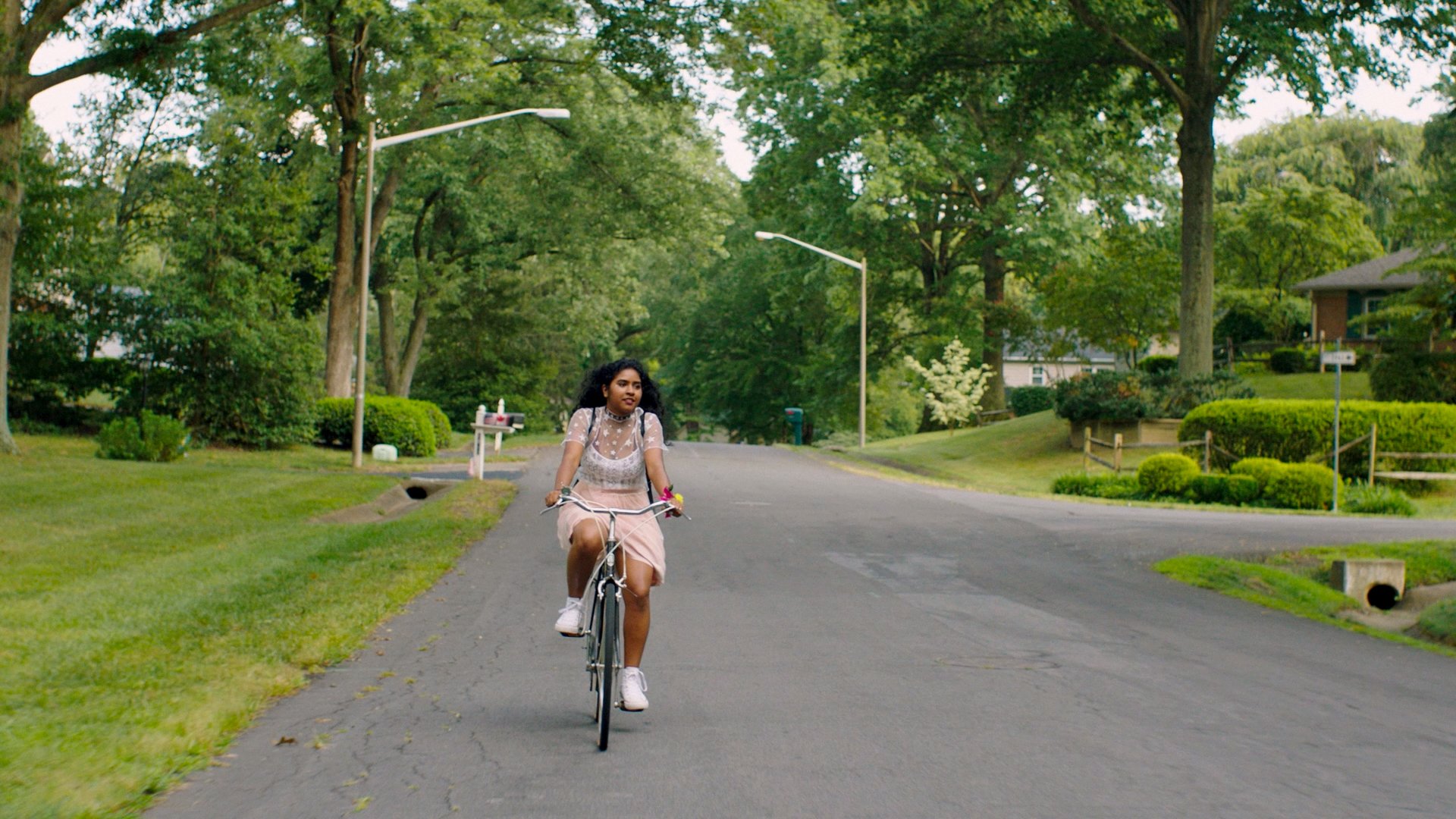
Regunathan’s short is all about the identities we share or hide with others, but it also captures the feeling of not quite fitting in and the fact that, sometimes, a parent just knows. Forever Tonight begins with Indian-American teenager Lekha (Nivita Chaliki) sneaking out of the house to attend an outdoor pre-prom party at the home of her crush. In contrast to the other girls’ formalwear, Lekha wears a pink chiffon skirt, sparkly eyeshadow, drawn-on Converse and a faux flower ribbon corsage—all details that make her come across as playful and fun, not someone following the trend of trying to dress like a grown-up. Her way of dressing echoes the colours and textures worn in classic 1980s prom films, only this time a white girl isn’t playing the lead. Nonetheless, it quickly becomes evident that the prom night fantasy—a kind of American dream in itself—isn’t all it’s cracked up to be.
Garbage (2017) Dir. Tayler Vee Robinson
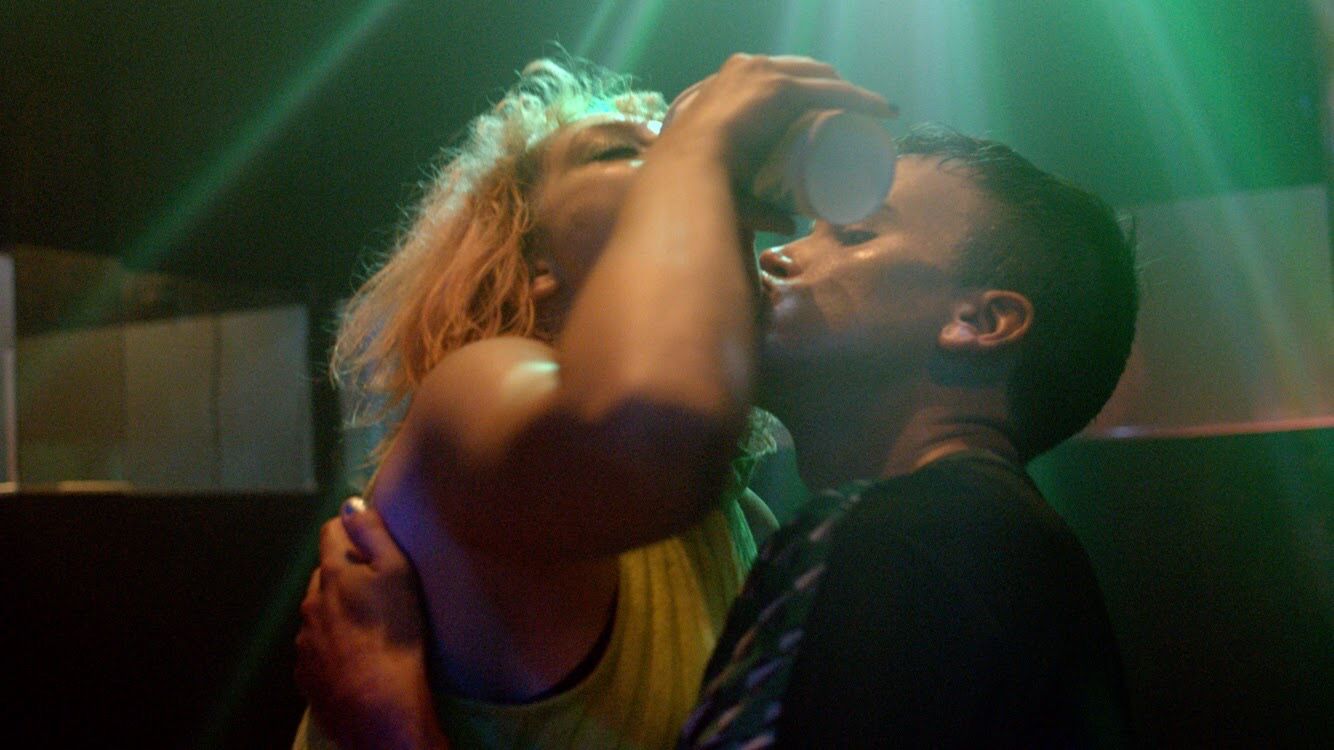
During vacation it’s easy to let go of all kinds of routines, only to begin to decide that tomorrow you will change and become the person you are “meant to be.” Opening with a Carrie Bradshaw quote, Garbage is a colourful and flamboyant escapade through Los Angeles following two flawed people’s search for identity. Jean (Robinson) and Jacob (Arne Gjelten) vow to change their lives, but first, they must partake in one last night of debauchery. When wasted enough, they join a respectable all-white summer solstice party and only decide to leave after causing a scene. The infectious Garbage is an accurate depiction of aimless, booze-soaked nights and mornings that all blend together, and how difficult it can be to break out of a cycle regardless of how bleak it is.
H.A.G.S. (Have a Good Summer) (2021) Dir. Sean Wang
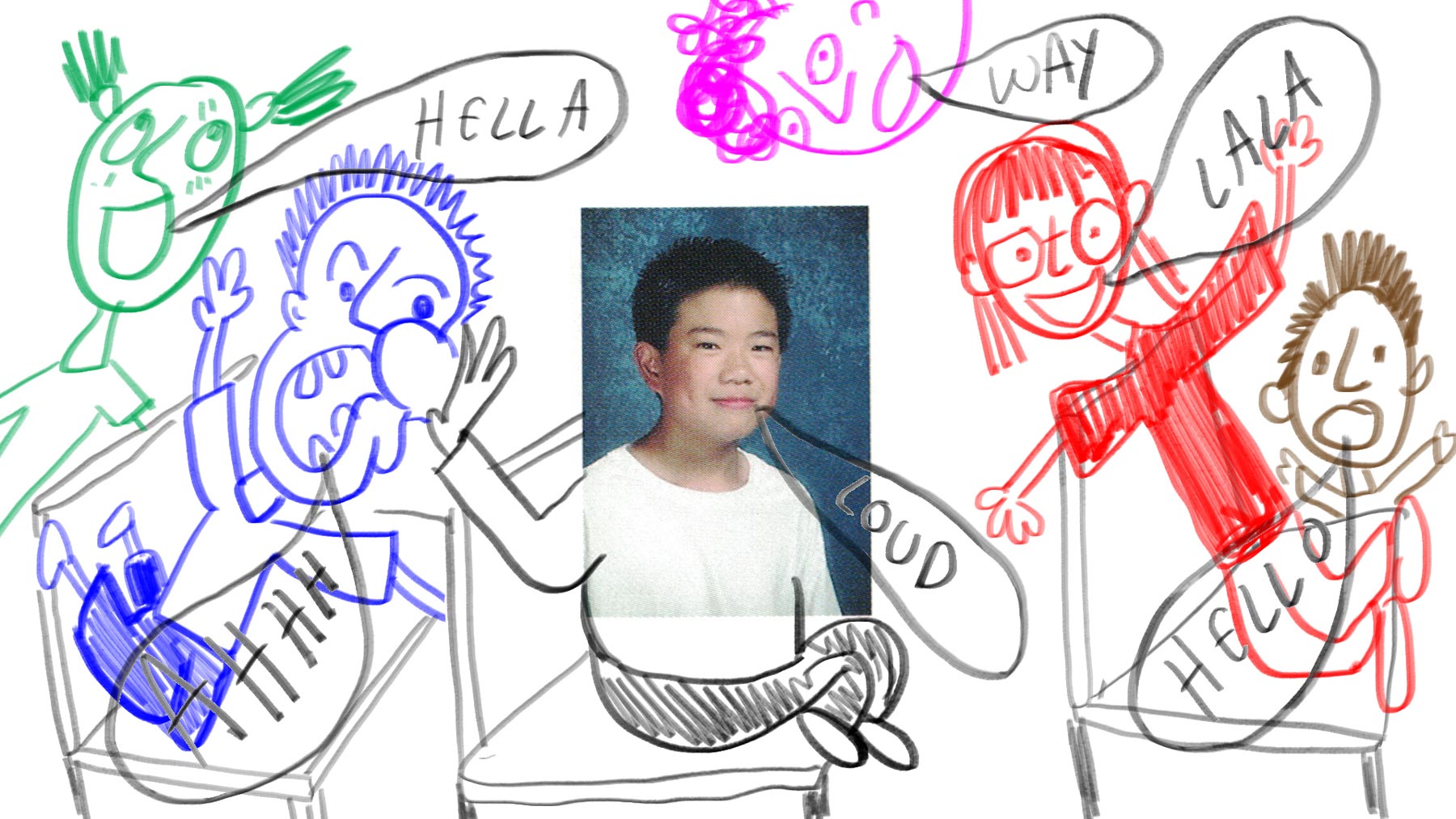
Originally published by The New York Times Op-Docs—their award-winning series of short documentaries by independent filmmakers—Wang’s creation is a poignant exploration of the young adult experience. Artefacts like yearbooks are strange creations, and stumbling upon one long after first receiving them can evoke everything from joy to sadness. Candid and charming, H.A.G.S. is a reflective exploration of ageing, nostalgia, childhood innocence, and memories that will echo true to most viewers as it openly discusses the expectations versus realities of adulthood. As a first-generation American, Wang also compares his life with his parents and their accomplishments at the same age. The creative decision to combine imagery from Wang’s middle school yearbook with hand-drawn 2D animations and photographs—all whilst the filmmaker is having phone calls with his friends and classmates of the time—is playful and touching. The editing and use of cheeky animations to illustrate what his classmates say (and might feel) inject the film with so much authenticity as it weaves together a beautiful portrait of growing up.
Heatwave (2019) Dir. Fokion Xenos
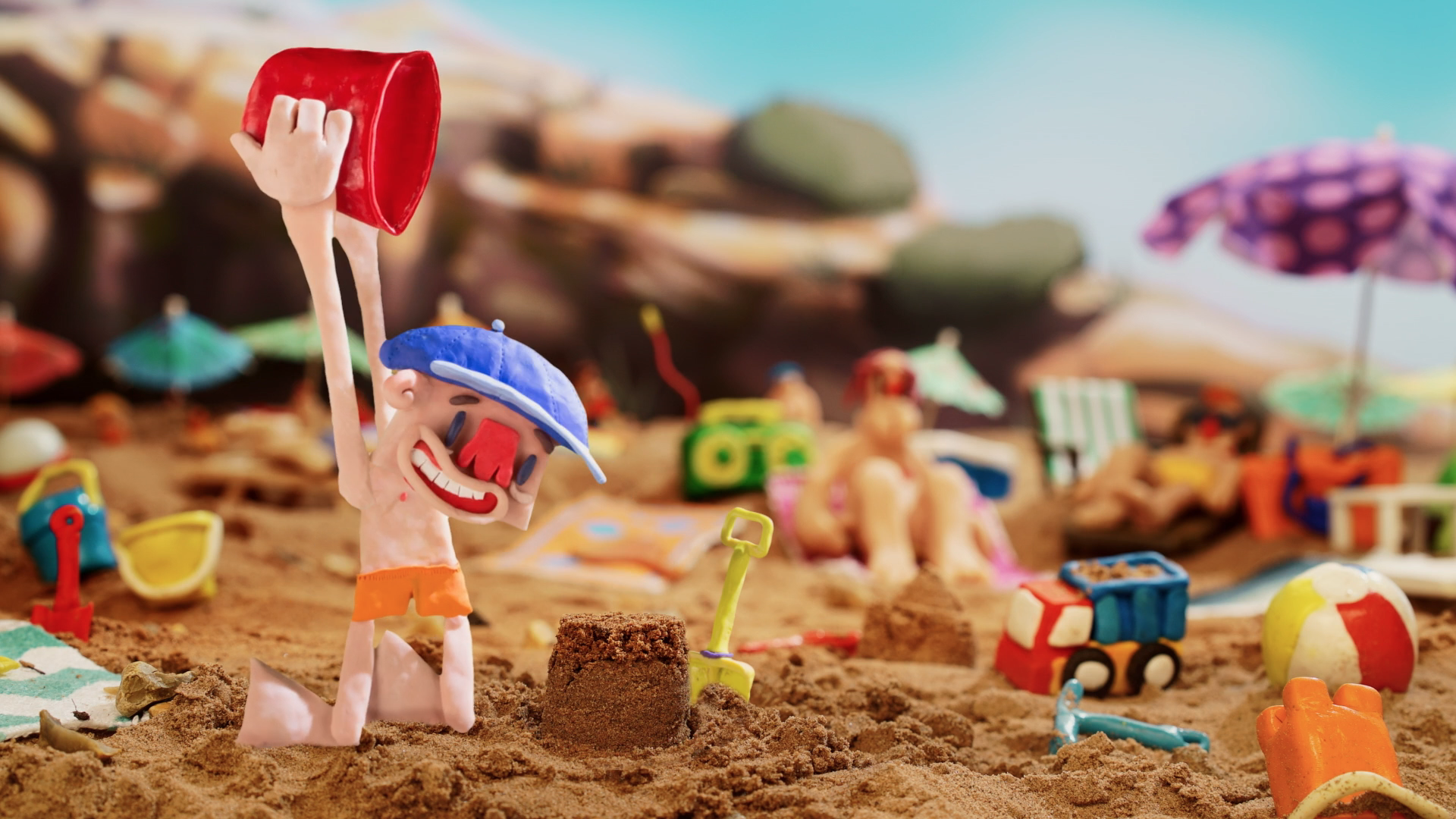
Few depictions of being overheated have ever been as accurate as in Heatwave, a stop motion short animated with a hybrid technique between cut-out, claymation, and thousands of replacement pieces. Beautifully crafted (the images of water moving and the sun rising/setting are worth the watch alone), the short captures a day on a beautiful Greek island during a heatwave. From sizzling flesh, crying children and the impossible task of trying to graciously change out of wet clothing, to melting ice creams and collapsing sandcastles, there’s so much charm and nostalgia conveyed through the visual humour of it all. As the tempo of the score increases along with the visitors’ repetitive motions, two children eventually find a way to cool everyone down. Building from his childhood memories, Xenos delivers a sun-drenched yet playfully realised environment that will surely be reminiscent of many viewers’ own trips to the beach when young.
Hill Hikers (2022) Dir. Elizabeth Godar, Mitch deQuilettes
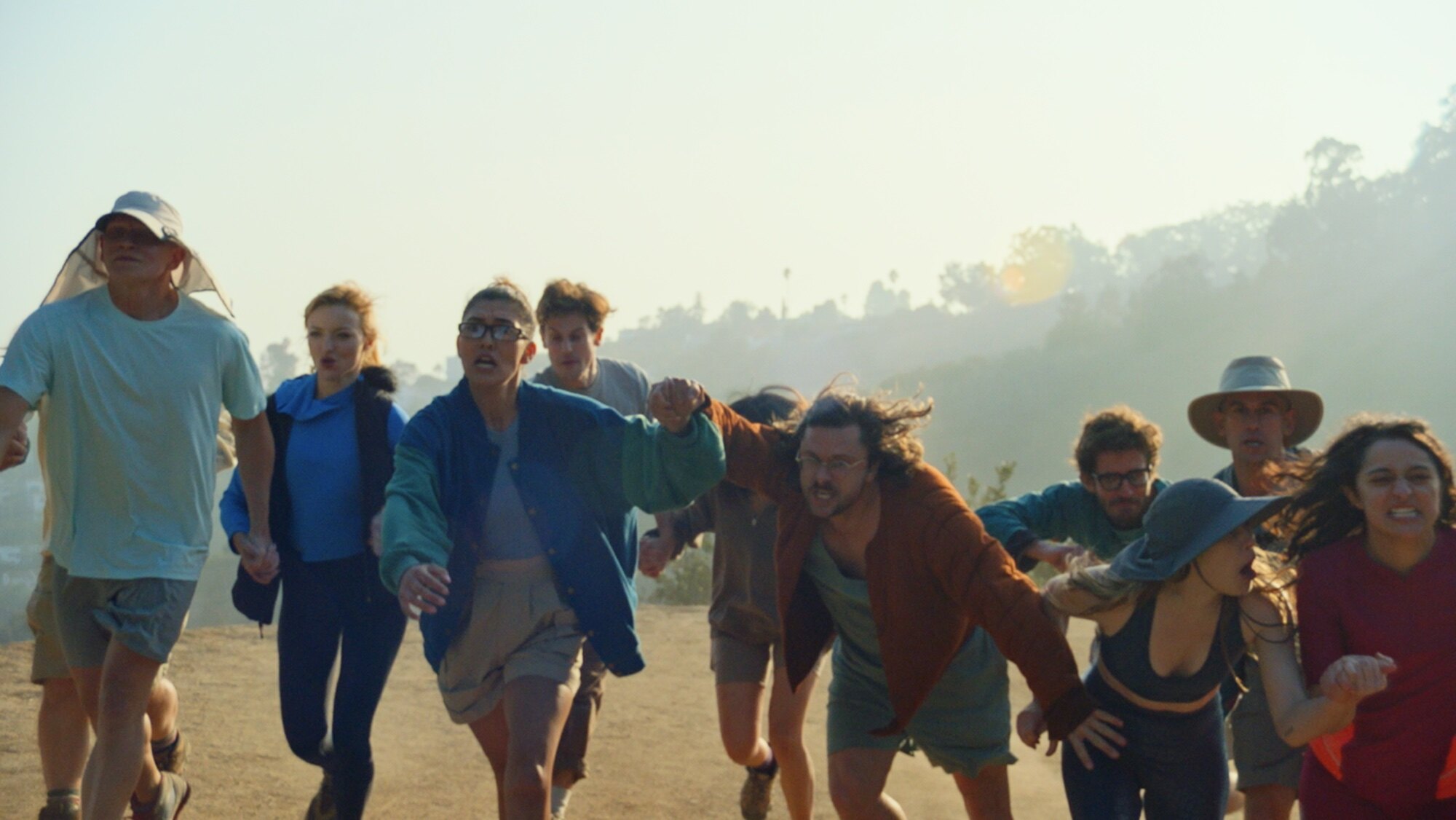
For some people summer equals time off from school and work, but only for a specific length of time, which more often than not results in the stressful act of trying to cram as much as possible into their free time. Suddenly, everything can become a competition—who is the most relaxed, who finishes the most projects around the house, who travels the most, who gets the best tan, etc. Hill Hikers is about a competitive hiking race where a group of couples (each couple representing a niche social cause) race up a mountain whilst holding hands, all in an attempt to obtain money and status. Alternating between interviews with the hikers and the hike itself, this wonderfully original premise also features engrossing satire and social commentary. Through the sole act of holding hands—portrayed as being both a hindrance and help—these characters cling to their loved ones to maintain a sense of purpose in life and present an untroubled front for society.
Jackpot (2012) Dir. Adam Baran
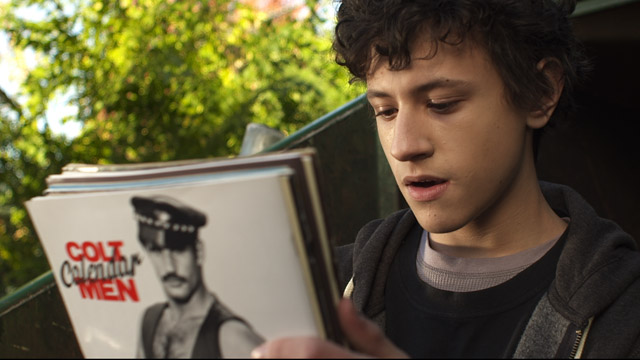
Remember back in the day when pornography was actually hard to find? Jackpot is all about that. It’s 1994 and Jack Hoffman (Ethan Navarro) sets off on a quest to find and retrieve a stash of gay porn from across town before anyone finds out. Shot in Baran’s hometown, in his bedroom, and in a parking lot where he was bullied himself, it’s clearly a very personal project; yet it doesn’t take itself too seriously. Jackpot is funny and dumb in an American Pie/Superbad way, but simultaneously also endearing in its raunchy and heartbreakingly honest depiction of a horny, closeted teenager. A lot of things in life might be uncontrollable, but we’re all in control of how we stand up for ourselves, and despite what happens in the end, the short feels triumphant as it delivers its poignant message— just because you get beat up doesn’t mean you didn’t win.
L’été et tout le reste (2018) Dir. Sven Bresser
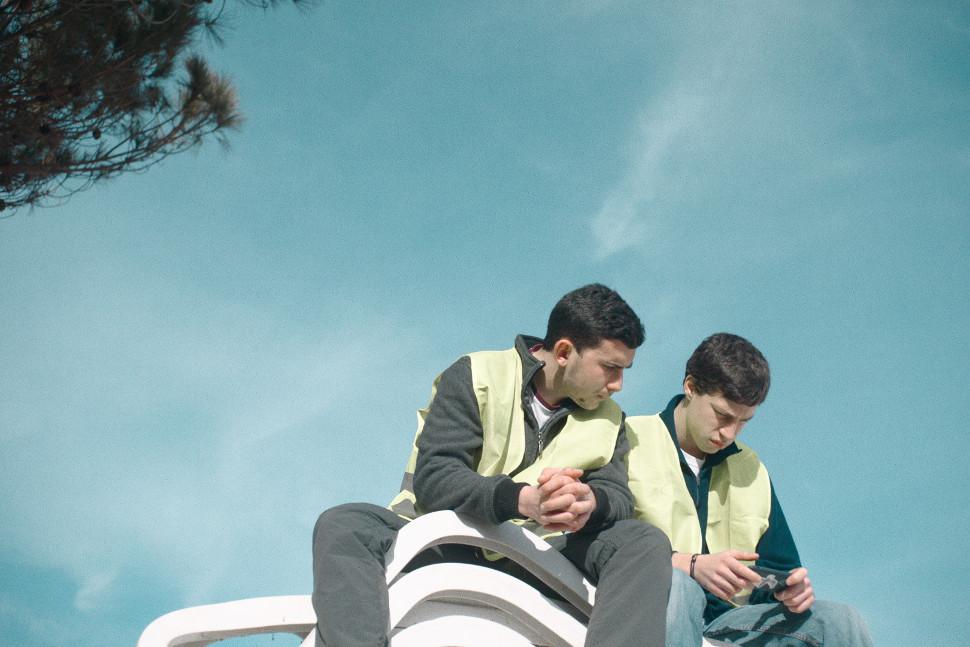
The setting is Corsica, an island in the Mediterranean Sea, and the lively busy days of summer are beginning to come to an end. As the last ferries with tourists leave and most of young Marc Antoine’s (Marc Antoine Innocenti) friends have left for the mainland to study or work, he and his friend Mickael (Mickael Danguis Fasolo) remain behind. Mickael has plans to leave, but is the contemplative Marc Antoine able to give up his comforting routine? There’s undeniably something special about the imagery of a place slowing down, getting more deserted, after a vibrant summer season and Bresser captures the stillness of somewhere that just days ago was crowded and energetic. As evident in the scene where the two friends work in harmony to “Music Sounds Better with You” by Stardust to the underlying meaning behind the driving scenes (mostly just going around in circles thus never progressing), the short perfectly captures the unpretentious yet intimate nature of its characters and their circumstances. Beautifully scored, the short is also gorgeously shot and edited as its slower pace captures the wistfulness of dreamy summer days and nights coming to an end. Melancholia lingers heavy in the air, and L’été et tout le reste is primarily a visual experience with a loose plot, more focusing on conveying visual poetry.
Lay Me by the Shore (2022) Dir. David Findlay

Even though school years are destined to be finite, the act of graduating will always be an emotional whirlwind, as something comes to an end and uncertainty looms ahead. Based on real events, Findlay’s short follows high school senior Noah (Isla Pouliot) during his final days of school. However, while the other students are in a celebratory mood, Noah is often swallowed up by tormenting memories that accompany the recent and sudden loss of his best friend. A potent depiction of grief and suppressed emotions, viewers feel equally immersed in the lush depictions of the beautiful Canadian summer days as well as Noah’s state of mind and inner turmoil. Findlay has crafted an empathetic portrayal of repressed feelings during a formative age, and the use of non-professional actors only adds to the authenticity. A largely visual experience, Lay Me by the Shore is subtle and soothing; using both 35mm and 65mm film, the imagery feels ethereal and lucid. The cinematic language, paired with the organic acting and deeply intimate story, results in a powerful project that will stay in viewers’ minds and hearts. This is particularly evident in a scene unravelling to the sound of “World Hold On” by Bob Sinclar, a hauntingly raw moment of façades beginning to burst that echoes the emotional resonance of a similar scene in Charlotte Wells’ Aftersun.
My Condolences to Your Future Lovers (2022) Dir. Jessica Dowse
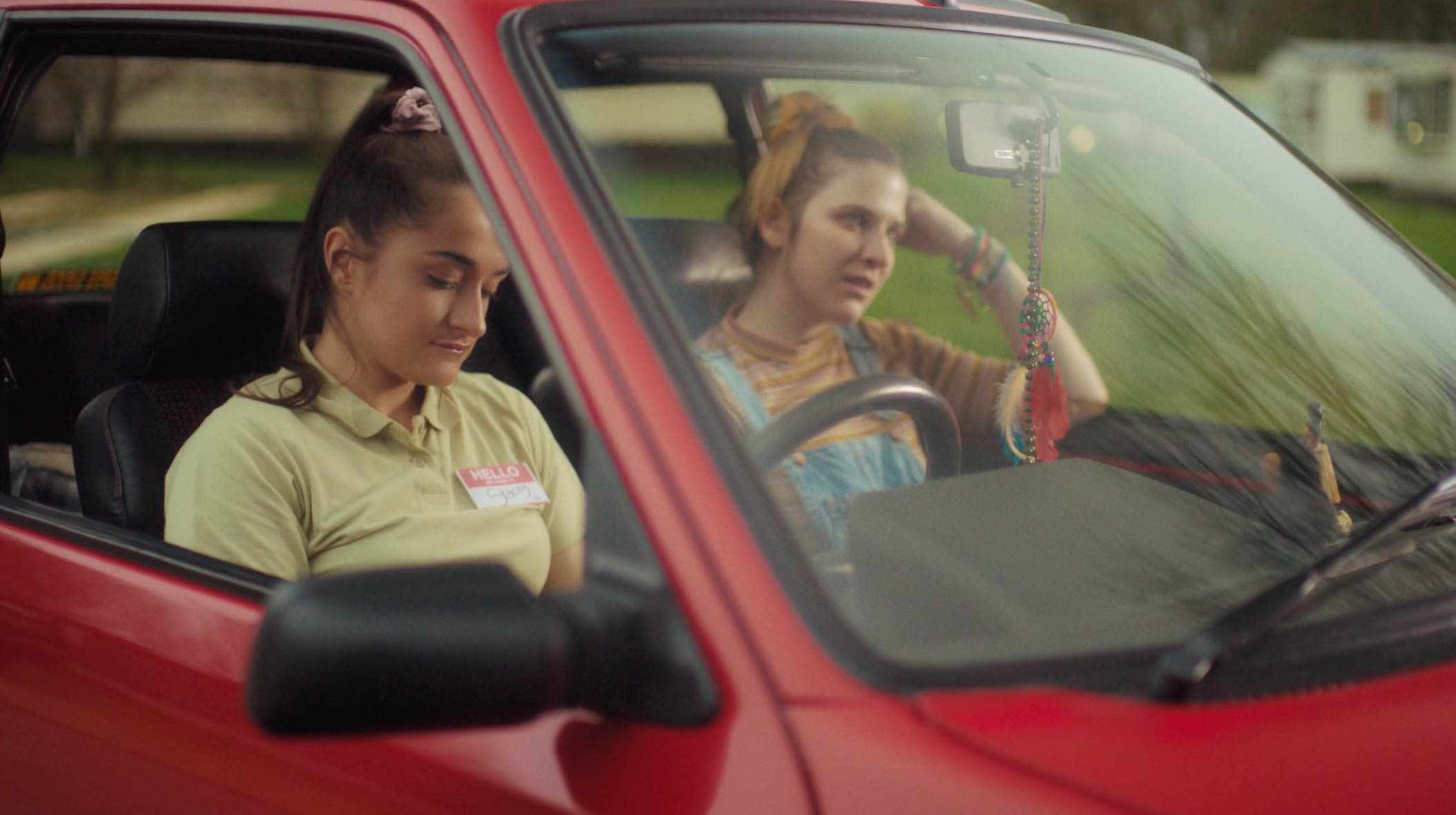
Some summer loves inevitably end as the season nears its close and reality comes knocking, but Vicky (Alexandra Hannant) isn’t ready to let go. When Stacey (Megan Walker) arrives to drive her soon-to-be ex to the train station, idealistic Vicky desperately uses their last moment together to find a way to convince Stacey that their fling wasn’t just a holiday romance. She fights passionately, convinced that Stacey is scared—or, even worse, in the closet. Vicky believes that if one only is brave and loves enough, all other problems in the world will fade away, while Stacey is aware that the real world is much more complex. One of the best aspects of the short is that it allows both performers to exist within the frame, thus allowing viewers to see their mismatched frustrations and reactions throughout. The single take emphasises the narrative’s intensity and allowing the conversation to unravel in one location is engaging as the characters are trapped inside the awkwardness; this also transfers to the audience, as they are just as confined to the moment, with not even a single cut providing relief.
My Trip to Miami (2017) Dir. Dylan Redford
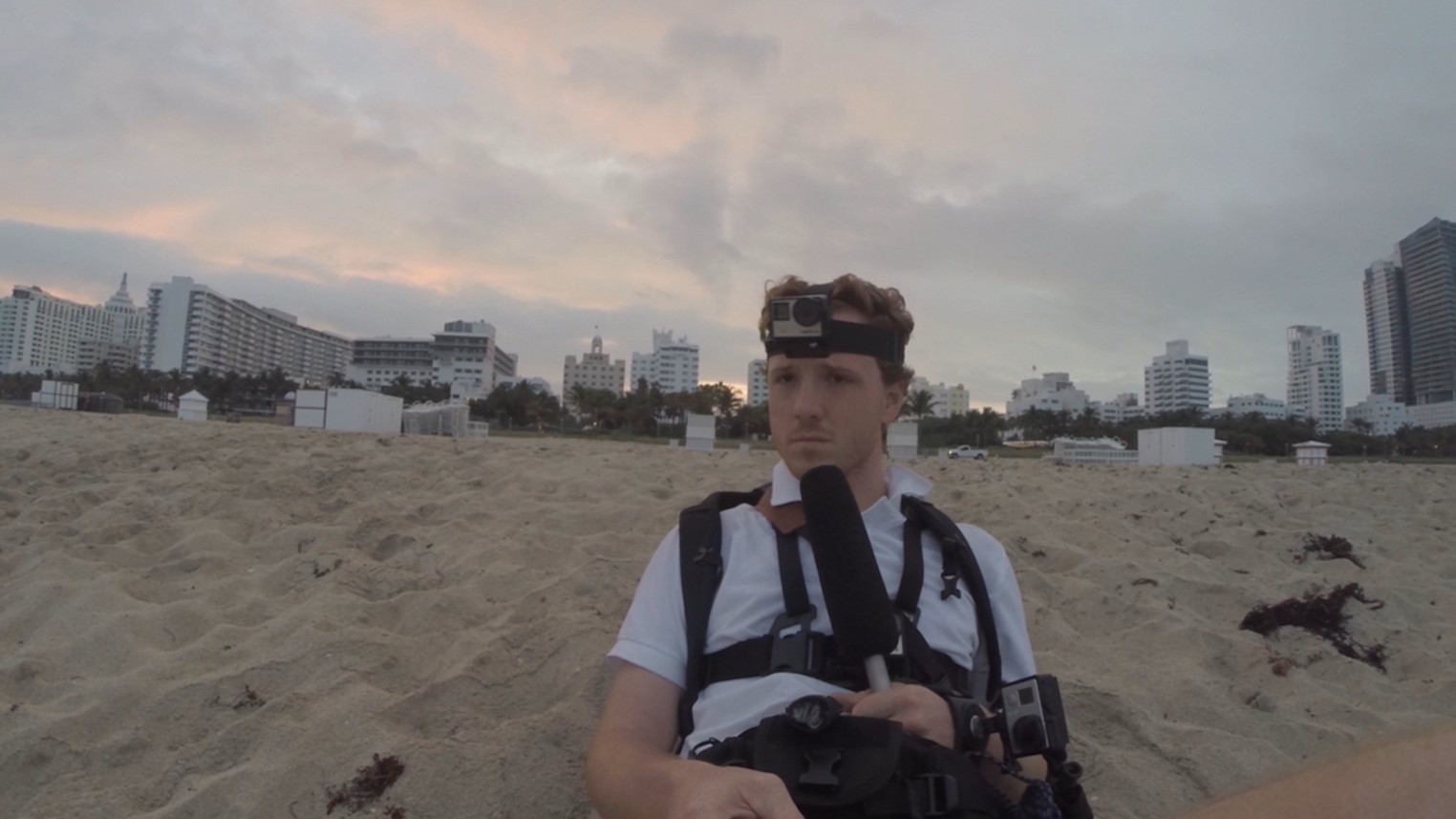
Have you ever turned to social media to find inspiration and recommendations for specific travel destinations, only to be met with the hollowness of travel lifestyle accounts? My Trip to Miami follows a well-meaning—albeit deeply misguided—tourist as he attempts to visit all of Tripadvisor’s top attractions in five days whilst wearing five GoPros strapped to his body. With a surprising depth beneath its silly premise, the DIY short is about fantasy, identity and image-based expectations. As Dylan sets out to visit Miami, things quickly go downhill. Instead of trying to be present and engage in authentic experiences, his days are filled with unremarkable experiences and stress-inducing deadlines as he concentrates on trying to capture images that live up to the fantasy associated with the coastal metropolis. Moreover, there’s Dylan’s questionable timing—a man with five cameras attached to him at all times still never managing to capture the handful of magical encounters and experiences he talks about that are actually worthy of documentation.
Nora at the Beach (2018) Dir. Ryan Martin Brown
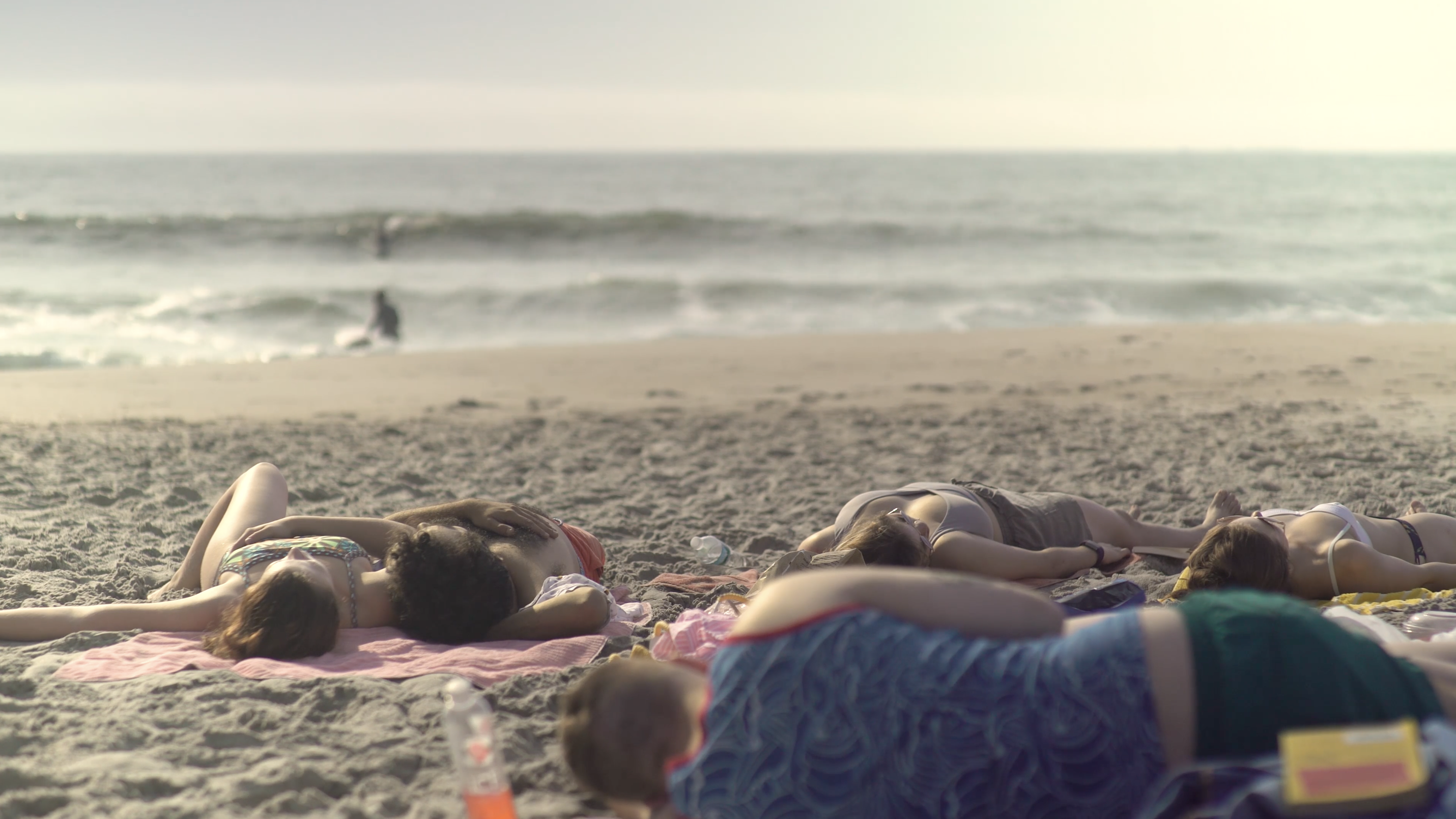
During lazy summer days, hours can easily pass without noticing, especially when spending time at the beach. This loss of sense of time might even result in forgetting to eat and drink—especially without planning—which leads to discomfort. In Nora at the Beach, a group of friends go to the beach, but the titular Nora (Emily Deforest) isn’t having fun. She is dehydrated, starving and annoyed about the lack of preparation. One of the worst feelings in the world is being a part of a group but still feeling like an afterthought, especially when it comes to the little things. For Nora, the only food options are potato chips and watermelon since the others forgot that she is vegan. Nora at the Beach is a film about group dynamics and social alienation told in a way rarely portrayed on screen but regularly experienced by viewers nonetheless.
Palm Trees and Power Lines (2018) Dir. Jamie Dack
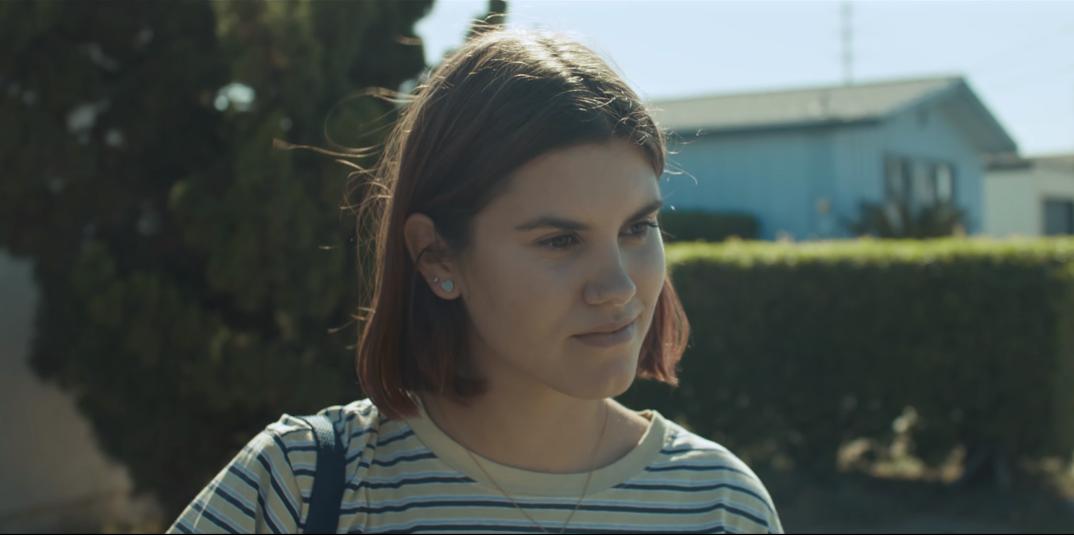
Charlotte (Alyssa Latson) purposelessly moves through a summer day when she’s followed home by an older guy, Tommy (Philip Alexander). Tommy helps her escape her loneliness, but after betraying her trust, Charlotte must decide what matters to her most. The short—which was the base for Dack’s 2022 feature directorial debut of the same name—unravels realistically, and while the story is upsetting, the most unsettling parts happen in its moments of quietness. Portraying the kind of aimless summer days that eventually float into one, Palm Trees and Power Lines is a coming-of-age tale that is achingly raw in how it depicts power dynamics and how loneliness holds people captive. Charlotte comes across as adrift and disconnected, seemingly left to her own devices. She is desperate for an escape, and the harrowing end only underscores exactly how much. Everything feels deeply personal— almost too intrusive at times. The film successfully says so much with so little and will hit home for a majority of viewers, especially since its themes are presented in such a scaled-back way.
Pennies from Heaven (2023) Dir. Sandy Honig
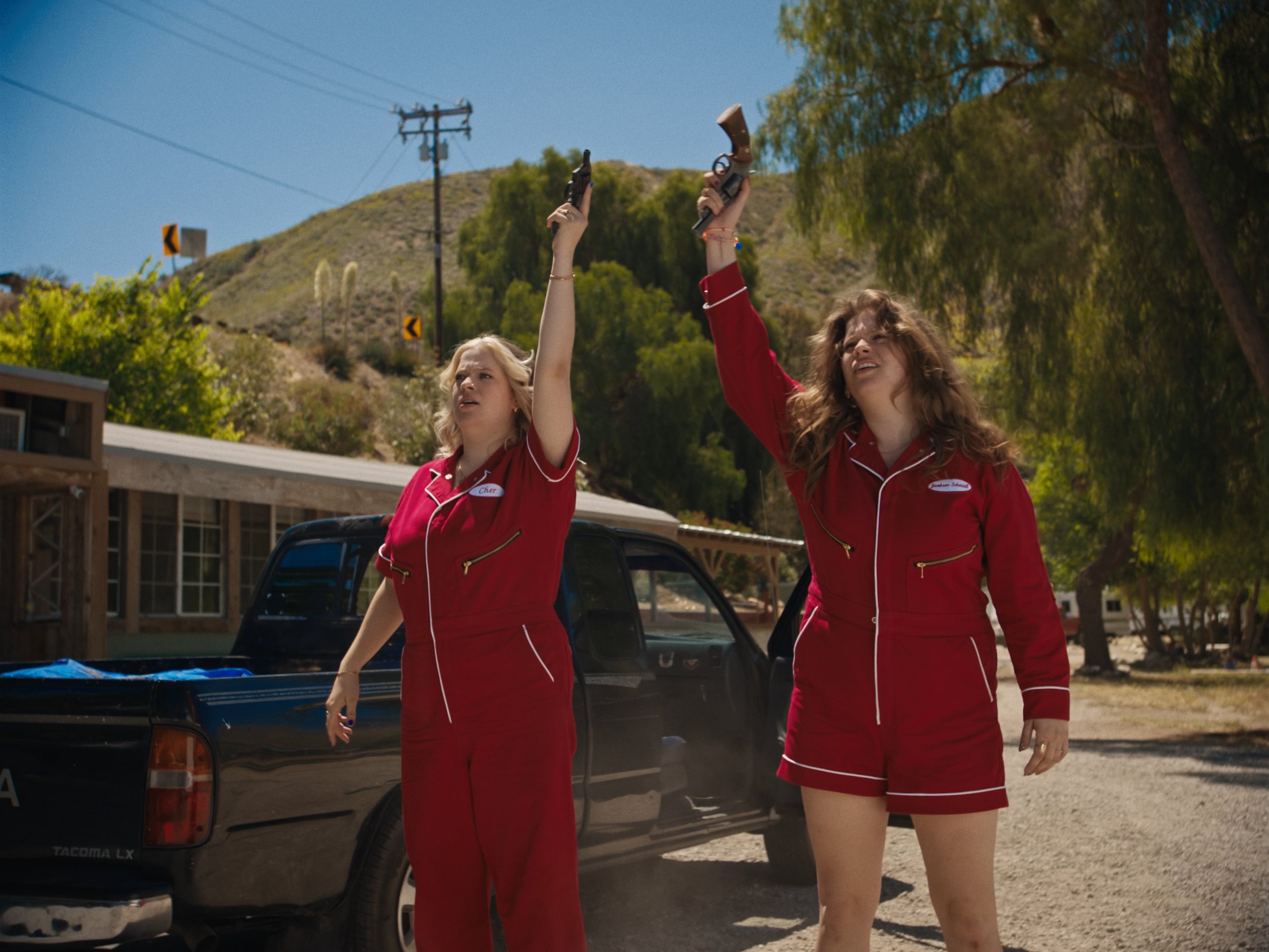
If you’re (rightly) missing the incredibly creative and silly Three Busy Debras, look no further than Honig’s short film to satisfy your cravings, as it emphasises the power in world-building and the little details in a like-minded fashion. Written by Honig and Annabel and Sabina Meschke (who portray the leads), the short features various twin shenanigans that are all kinds of absurd and bizarre. As two eccentric twin sisters stumble upon a pickup truck full of pennies outside of their convenience store one day, an adventure begins. The winner of the SXSW 2023 Midnight Shorts Special Jury Award, Pennies from Heaven is a perfectly paced short fully committed to its concept, visual gags and one-liners. Therefore, everything about it is infectious. The whole universe is so specific, simultaneously silly and gorgeously presented. Ten more of these, please!
Pink Trailer (2017) Dir. Mary Neely
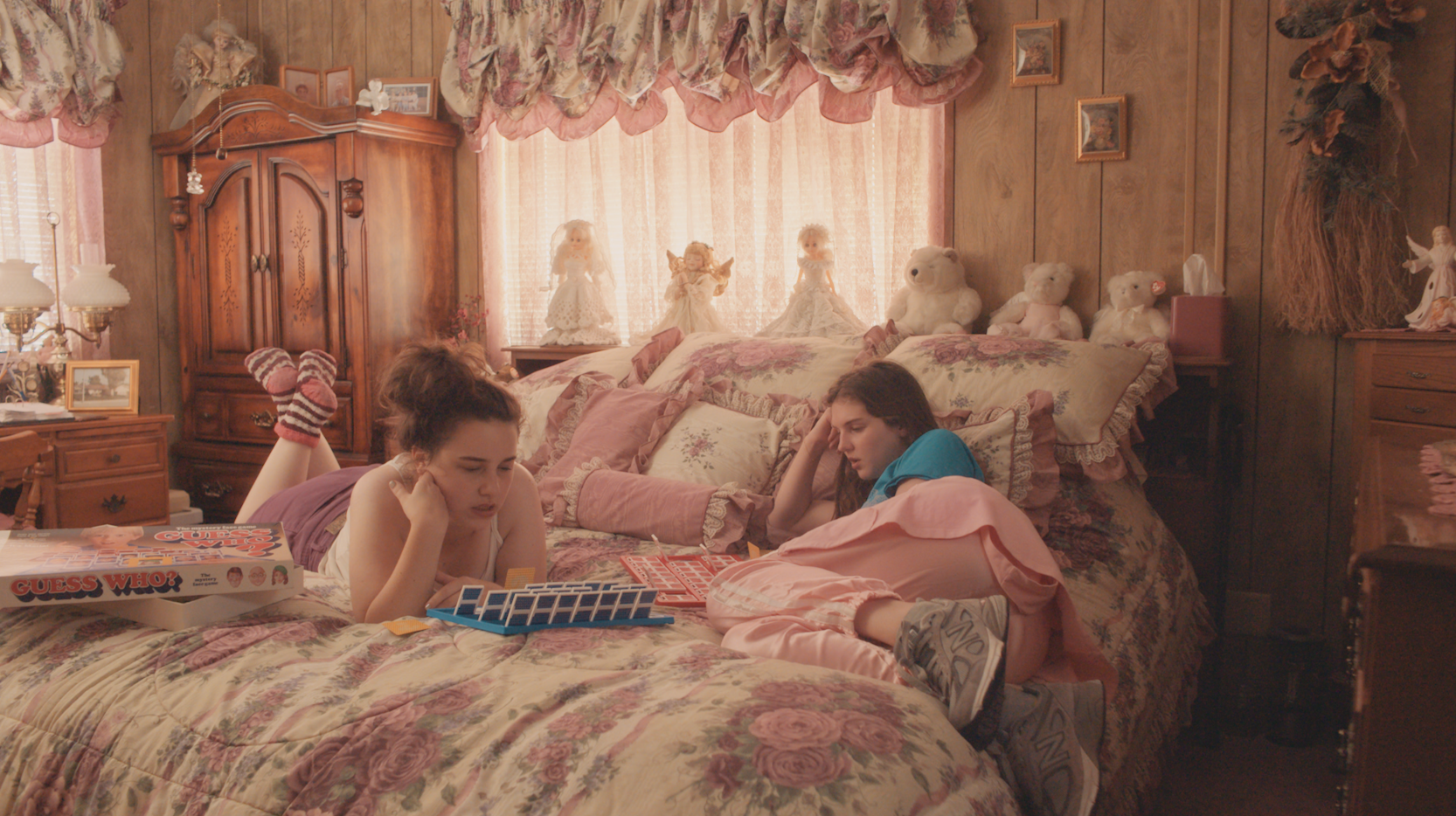
Best friends Lucy (Macey Isaacs) and Julie (Jenny Leiferman) spend their summer house-sitting Lucy’s grandmother’s home and trying to hide from a persistent neighbour. However, as one of them runs out of antidepressants, the girls may need to leave their safe bubble, forcing them into an unwanted confrontation with what is waiting outside. With an aesthetically pleasing set design bathed in shades of pink, Pink Trailer is an affectionate portrayal of girlhood and youth. It’s funny but it also subtly explores themes of isolation and mental health, as the entire premise can be thought of as an inner conflict, the neighbour’s persistent knocking symbolising the pressure of participating with the world despite feeling depressed. The use of natural light gives the film a richly sunlit and dreamy look that perfectly suits the lazy summer the narrative presents, and the fun bits within the script that reference Ratatouille and the board game Guess Who? only add to the fun.
Reception (2017) Dir. Joe Gillette
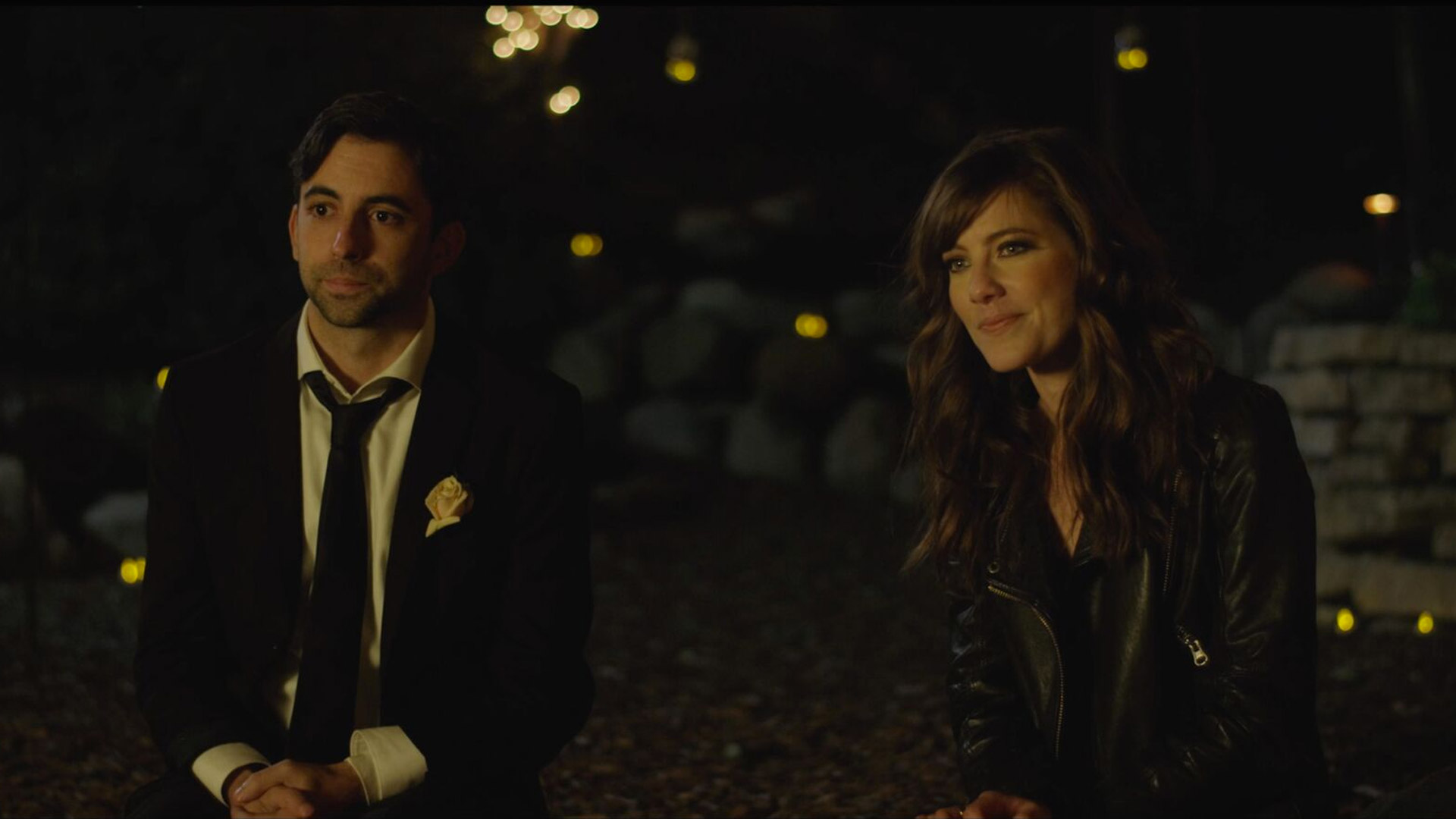
For some people, summer is associated with attending events, and this short eloquently captures the moment when two strangers end up making a connection as they both try to avoid the crowd at a wedding reception. A slice-of-life short that will leave viewers smiling, Reception is funny, melancholic and sweet. Featuring everyday awkwardness, the natural chemistry between leads Devin Kelley and Gillette transcends the screen. There’s something magical in witnessing these intimate moments, seeing in real-time how their characters act and react when the other isn’t looking, both trying to think of what to say next. While many viewers are accustomed to the meet-cutes seen in romantic comedies—a kind of effortlessly charming meeting that often feels far from realistic—Reception refreshingly decides to stay within that first initial meeting to explore it. Instead of a far-fetched fantasy, the meeting gradually builds the longer they engage; in this case, this decision is a pure joy for viewers.
SH_T HAPPENS (2019) Dir. Michaela Mihályi, David Štumpf
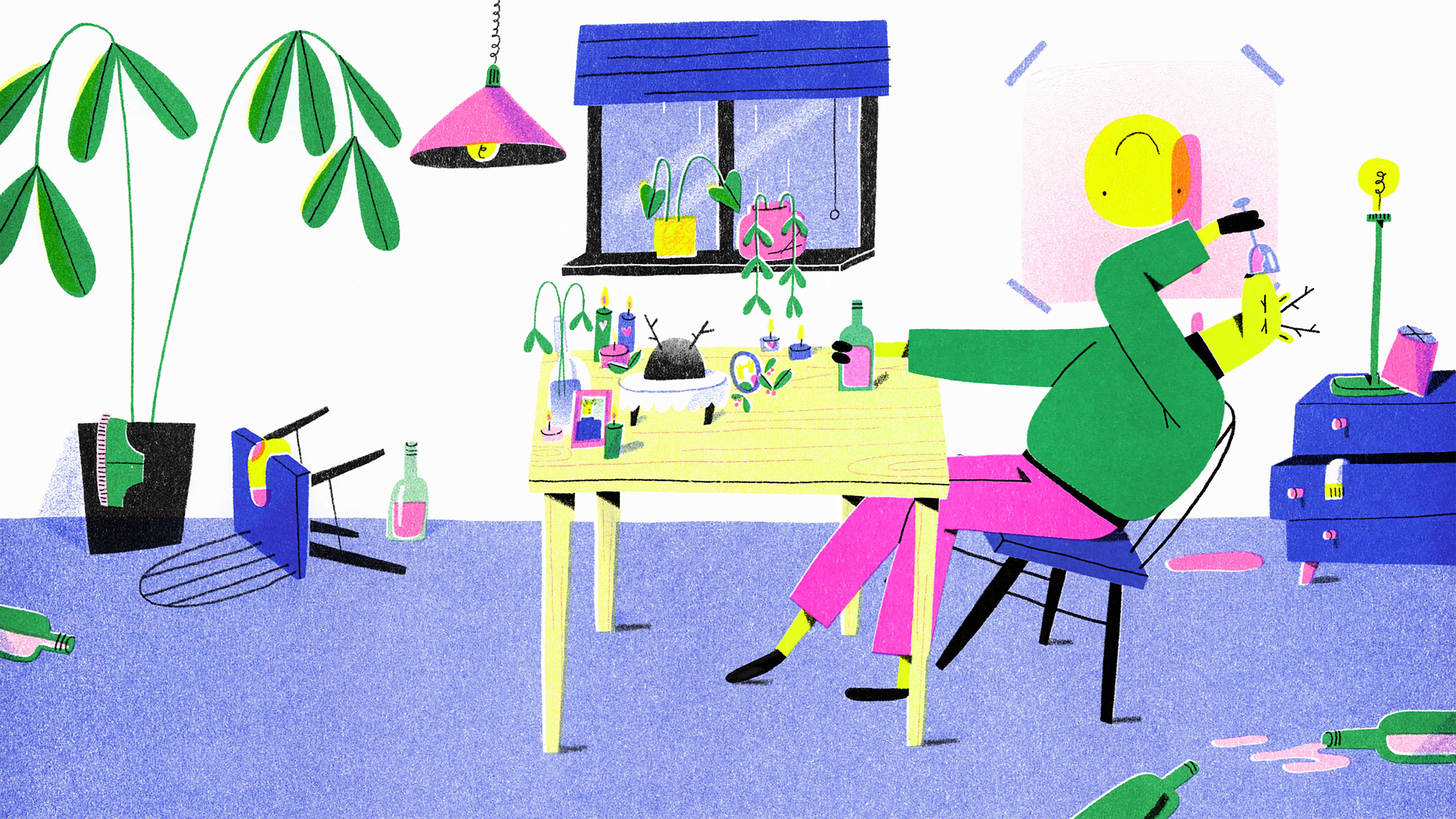
SH_T HAPPENS is a tragicomedy exploring the lengths isolation pushes three characters living within the same building. Through cleverly constructed chapters, viewers are introduced to an overworked caretaker, his frustrated and lonely wife and a widowed deer who turns to alcohol to deal with his grief. Both narratively and visually, this short should satisfy any fan of BoJack Horseman. The playful animation makes the heartbreaking aspects of the narrative come across in a bubbly and carefree manner, providing an interesting juxtaposition between theme and tone for viewers. Combining digital hand-drawn animation with risographs—a printing technique that adds compelling texture—the visual language alone is delicious, as is its experimentation of biblical references.
She’s a Fox (2009) Dir. Cameron Sawyer
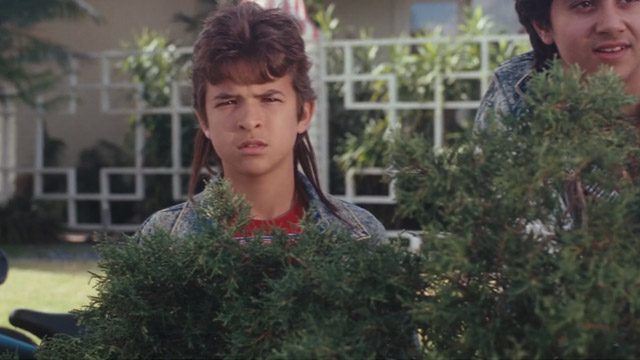
The year is 1987. Infatuated with the most popular girl at school (Hailee Steinfeld), sixth-grader Cameron (Jake Nutty) puts everything on the line—including his mullet—to try and win the heart of the girl of his dreams. With She’s a Fox, Sawyer accurately captures that moment when one is young and everything feels significant and huge, when silly things such as getting your hopes up and thinking that wearing a specific item of clothing would attract the attention of a crush. Beyond roller skating rinks, seating assignments during class and the passing of notes, there’s also a kind of Freaks and Geeks vibe to the portrayal of the various groupings at the school. With the sincerity only a semi-autobiographical film could have, She’s a Fox is warm, comforting nostalgia, a love letter to the eighties neatly wrapped up in the package of a coming-of-age story about young love.
Summer Hit (2019) Dir. Berthold Wahjudi
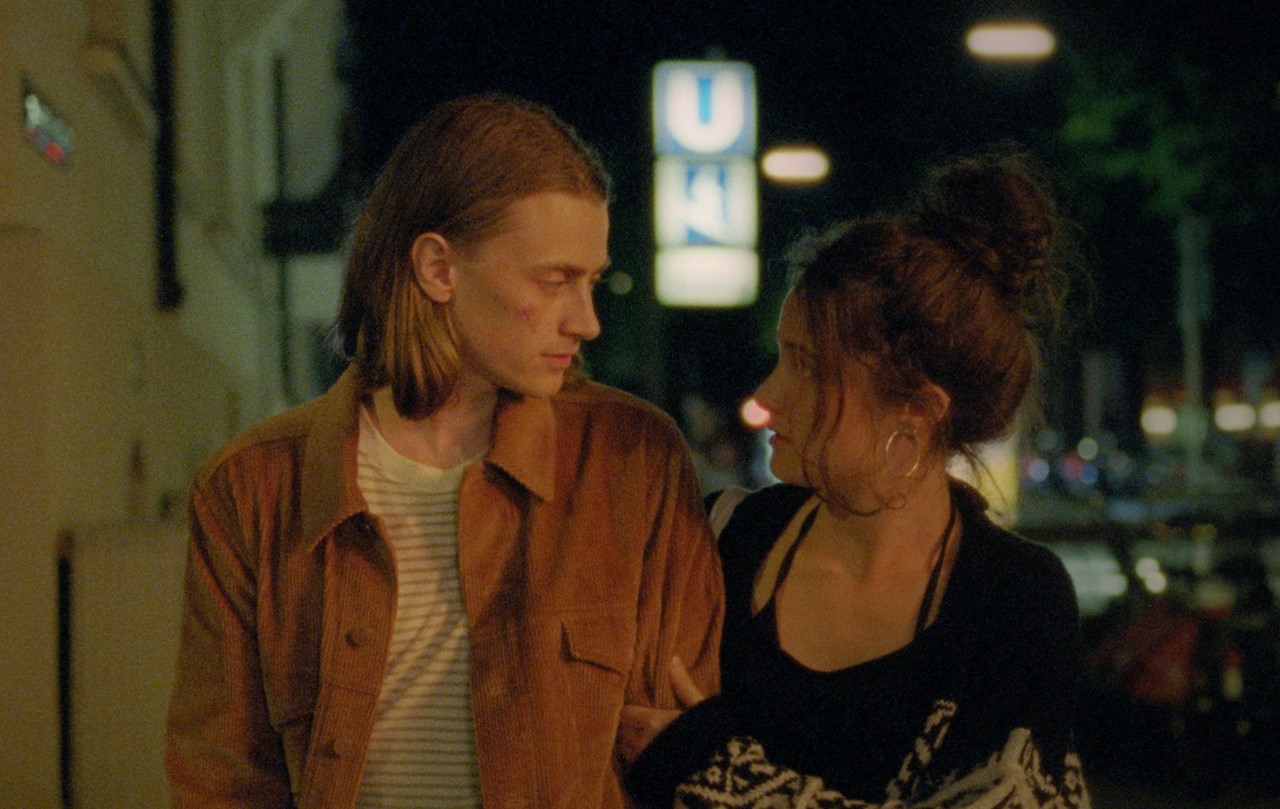
Laia (Martina Roura) and Emil (Atli Benedikt) are Erasmus students enjoying their semester abroad in Munich, but as their time is coming to an end, they have to figure out if it’s just a summer thing or real. Laia, the more liberated party of the two, aims to keep things casual— something they both agreed upon when they first started having sex. Therefore, when Emil suddenly professes his love for her, she panics and runs away. In her hurry, she accidentally leaves her wallet, the return of which becomes an excuse to meet again. Shot on 16mm, the short’s yellowish-tinted imagery emphasises its summery feel, something that only further elevates the charming story. Lighthearted yet not entirely without hurt, everything from the refreshingly breezy approach to intimacy to the loose structure of the couple drifting apart and reuniting feels typical of the fleeting nature of the season. Moving through streets, flats and parties, Summer Hit is like a love letter to Europe and Wahjudi presents Munich as a sun-drenched haven of possibilities.
Summer Vacation (2020) Dir. Matthew Brennan
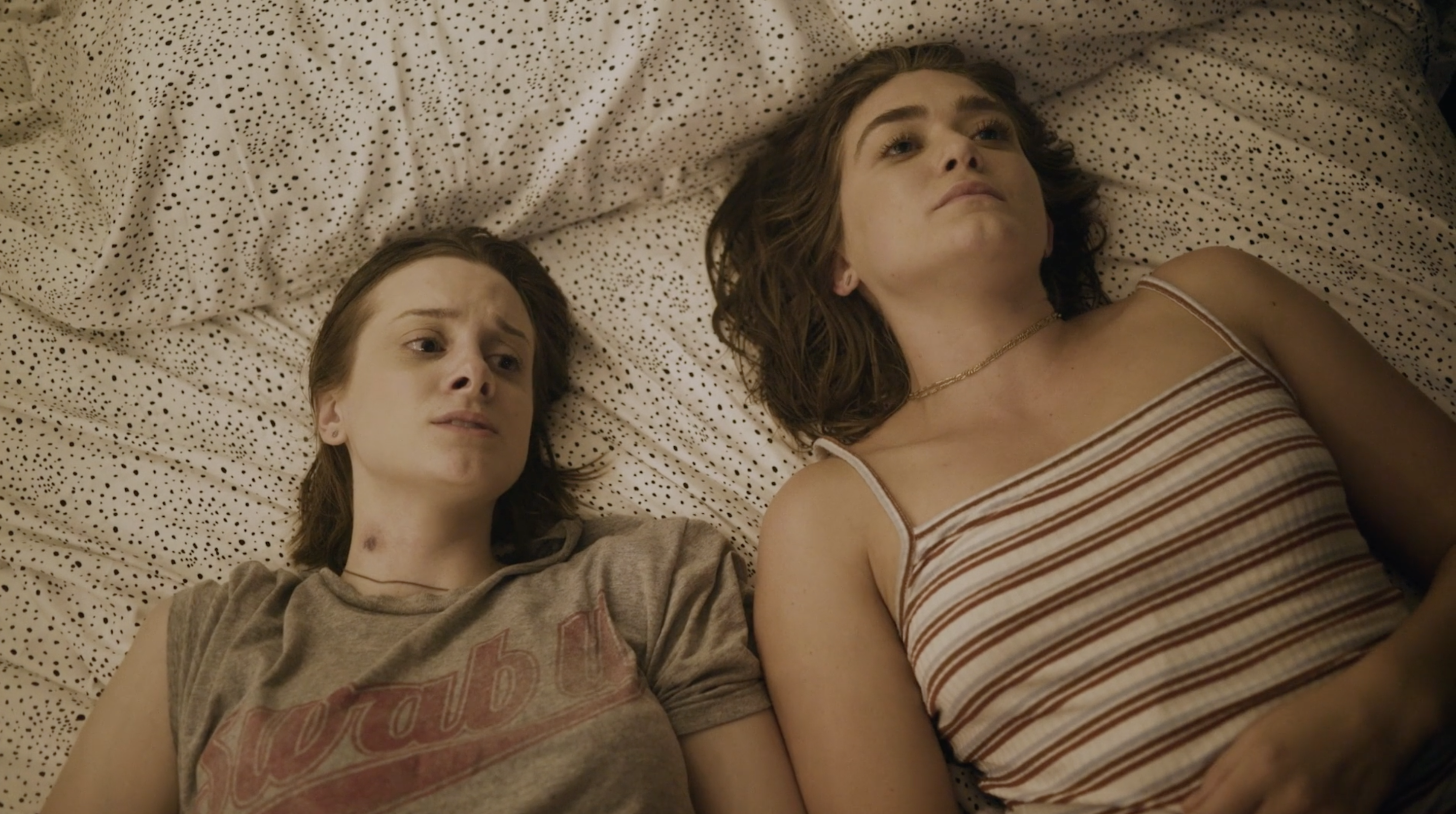
During a lonely summer break, Alice (Sammy Bluth) alternates between lying on the sofa watching TV, masturbating, and exploring her sexuality via a dating app. However, when she runs into Jill (Peyton Michelle Edwards), who is home from college for the summer, Alice realises that her issues might not be about herself, but rather a miscalculation of who she wants to spend time with. Summer Vacation features comedy, tenderness and sweet awkwardness. It also explores the relationship people have with dating apps, but instead of criticising them, the story explores how they fit into a young woman’s coming-of-age with her sexuality. It’s intimate, but less in its sexual encounters and more so in the inner exploration of its lead. Alice struggles to feel passion and begins to doubt herself since each interaction feels “fake.” Eventually placing the dissatisfying encounters in contrast with the satisfying ones, Summer Vacation beautifully conveys how electric and passionate sexual experiences can be when shared with the right person.
The Beach House (2019) Dir. Richard Naylor
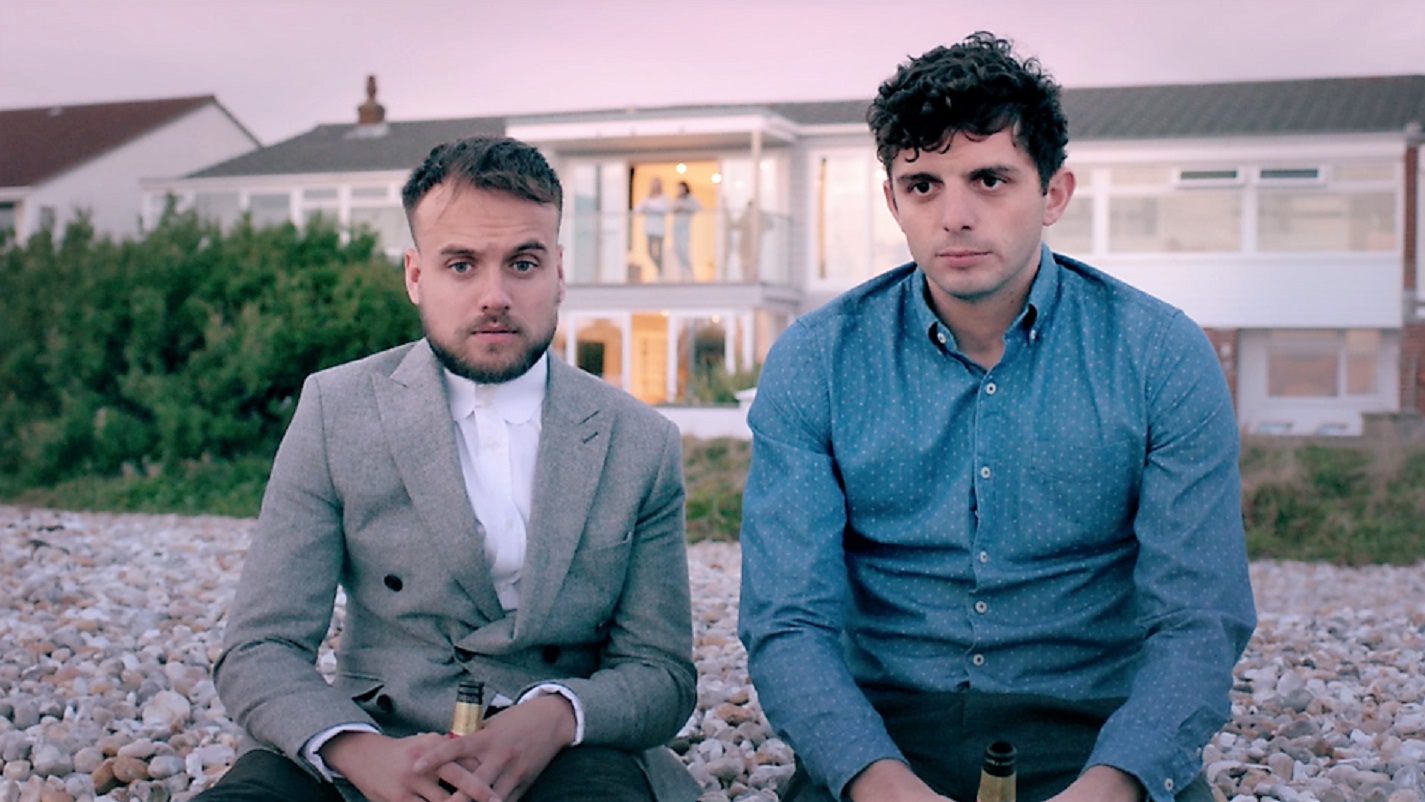
Travelling to beautiful locations and staying in lavish homes, far away from routine and instead fully concentrated on leisure and romance, it’s easy to get carried away by the fantasy—which can result in a brutal wakeup call. James (James Baxter) and Mike (Michael Fox), two lovestruck friends, whisk their girlfriends off to a romantic beach house where they intend on “double proposing.” However, their plan changes when they discover that their girlfriends have their own agenda for the weekend. With a kind of screwball rhythm, this short presents itself as a collision of two buddy movies, as the contrast between the guys’ rose-coloured idealism and their girlfriends’ pragmatism provides plenty of entertainment. The Beach House is light in tone, but even though viewers sense what is coming, the big misunderstandings and mishaps work so well due to their delivery.
This Is It (2013) Dir. Alexander Engel
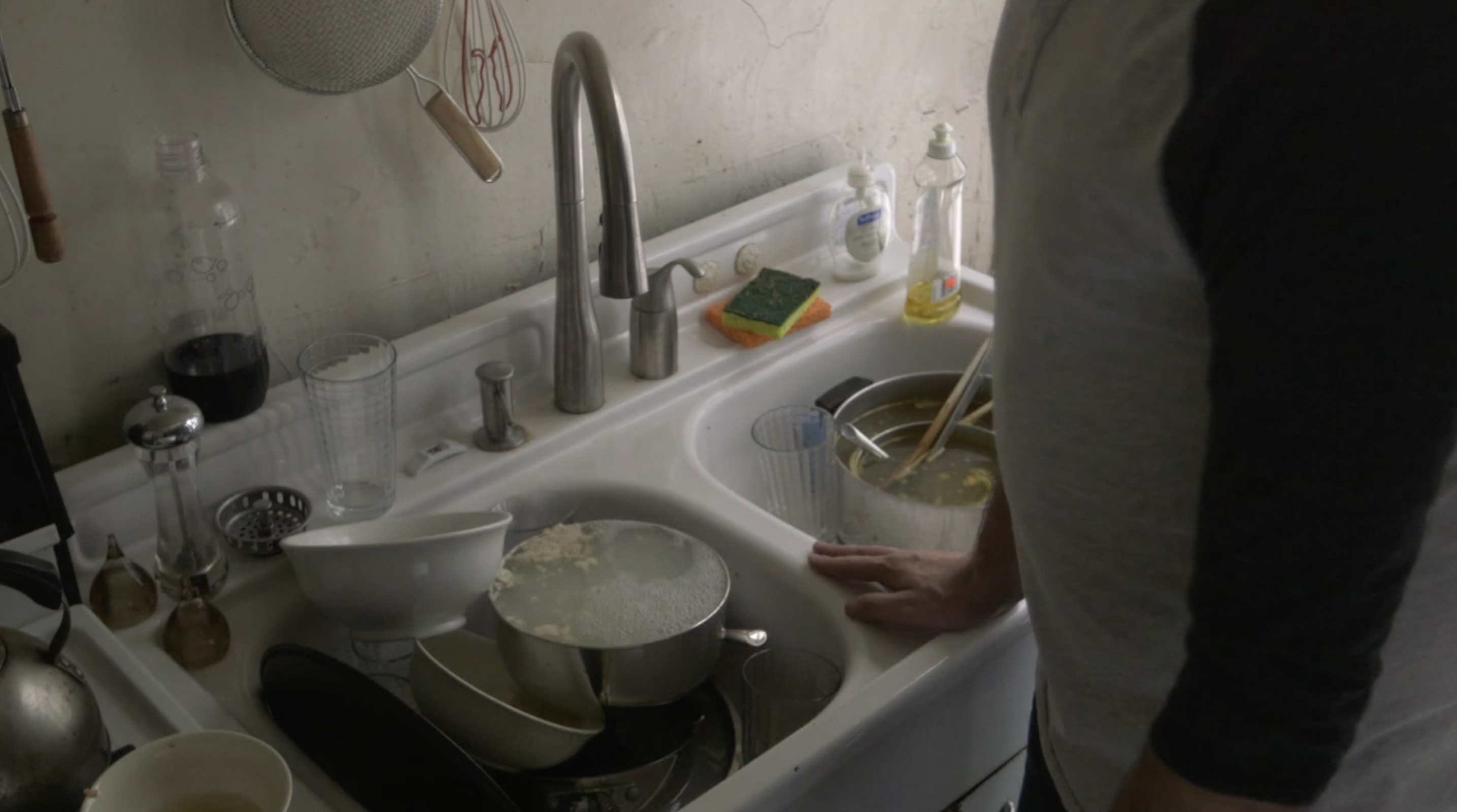
For some people, summer equals spending more time with friends and family. Whether it’s travelling together or just living underneath the same roof, it’s a change in everyday routines that easily can result in personalities clashing. Engel’s This Is It is a relatable, funny and sometimes painfully accurate portrayal of what it is like to live with someone else, as despite its short runtime, it impressively depicts the roller coaster of two friends moving in together. It’s brilliant as it narratively focuses on the repetitiveness of the questions and statements each friend presents to the other, conveying how easy it is to neglect others living within the same space when focusing too much on yourself. It shows the potential consequences it might lead to, but mainly it just shows that if people would just be a little more attentive, a lot of arguments could be avoided.
Valley (2020) Dir. Allan Zhang Tran
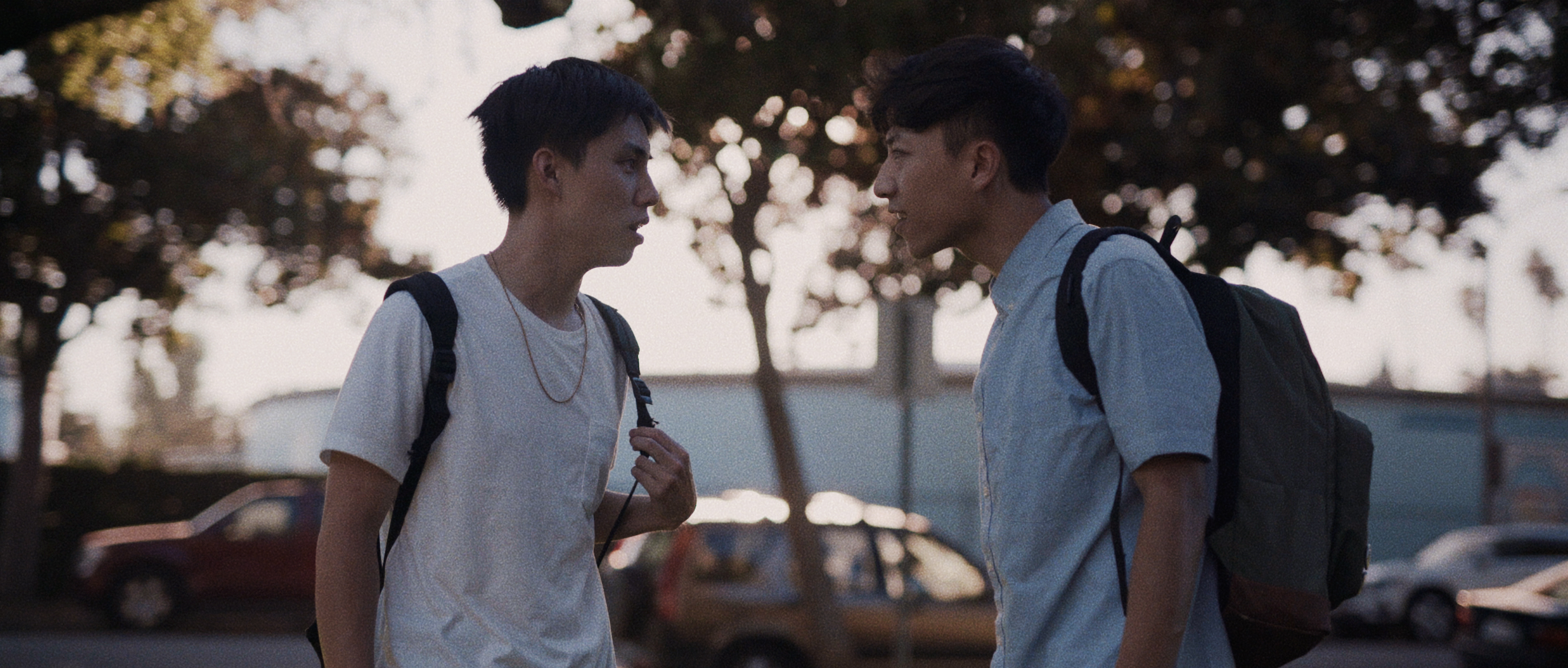
It’s a ditch day in the San Gabriel Valley as Ryan (Bloom Li) and Kev (Ray Yamamoto), two high school seniors and best friends, realise they might be on very different paths in life as they begin to sense their waning days. It’s a sunny day and despite the initial surface-level stuff, viewers can sense something unsaid lingering in the air, and when the façade breaks, it truly breaks. This coming-of-age drama explores friendships during a formative age, portraying the complexities within a relationship where feelings of jealousy, vulnerability and betrayal boil very close to the surface. As the film unravels, it becomes obvious that the story is more complex, with each character carrying different pressures and struggles, both as young men and as Asian-Americans. Their hopes and fears—all of which can be difficult to openly talk about during adolescence—are presented with compelling authenticity through the acting as each captures the distinctive headspace of each character. Furthermore, Valley also captures that moment in life of realising that the easier days in life—those of carefree childhood innocence—are about to slip away.
Verde (2018) Dir. Victoria Rivera
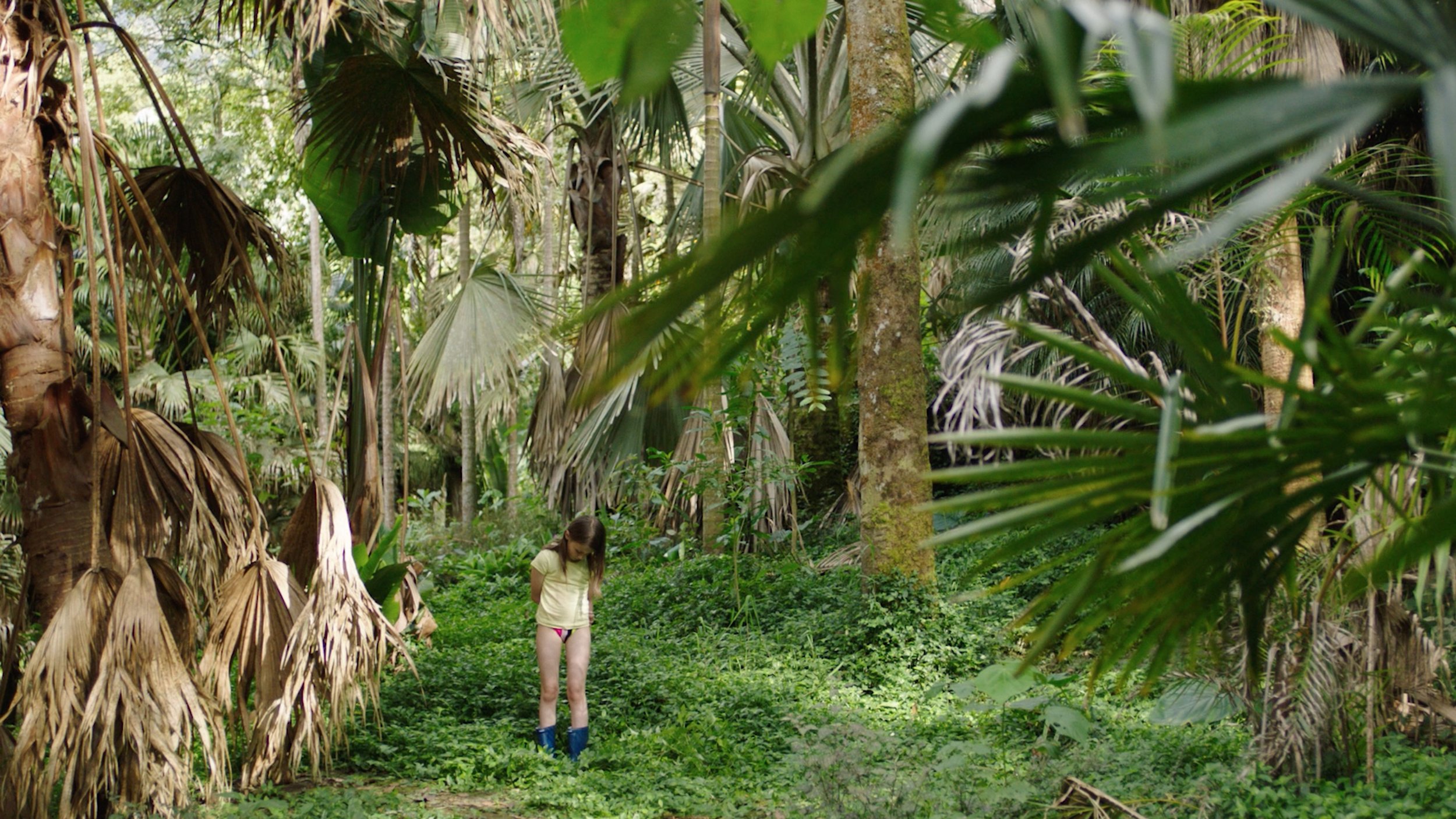
Stories focusing on adolescence often cover an array of ‘firsts,’ including first kiss, first love, broken heart, and first sexual experience, but rarely does it cover the opposite, even though they often go together. In Verde, as one thing happens for the first time, another happens for the last time. During what initially seems like another lazy hot summer day in Colombia, viewers are introduced to two sisters (Samantha Medellin, María Elvira Ramírez) and how their relationship subtly changes throughout the runtime. Mainly through its quietness, the narrative depicts how sometimes growing up means growing apart. The lush scenery of greenery, seen outside but also from inside the stunning building through huge glass windows, underlines the organic feel of Rivera’s appropriately titled short film (Verde means ‘green’ in Spanish). With vivid images and sounds, the film feels like a memory unravelling in front of the spectator’s eyes, something only further emphasised through its use of natural lighting. As it explores childhood innocence and cluelessness, it feels private and intimate but always captured with sensitivity; less about the situation itself that causes the rift and more about the aftermath of it.
West by God (2022) Dir. Scott Lazer
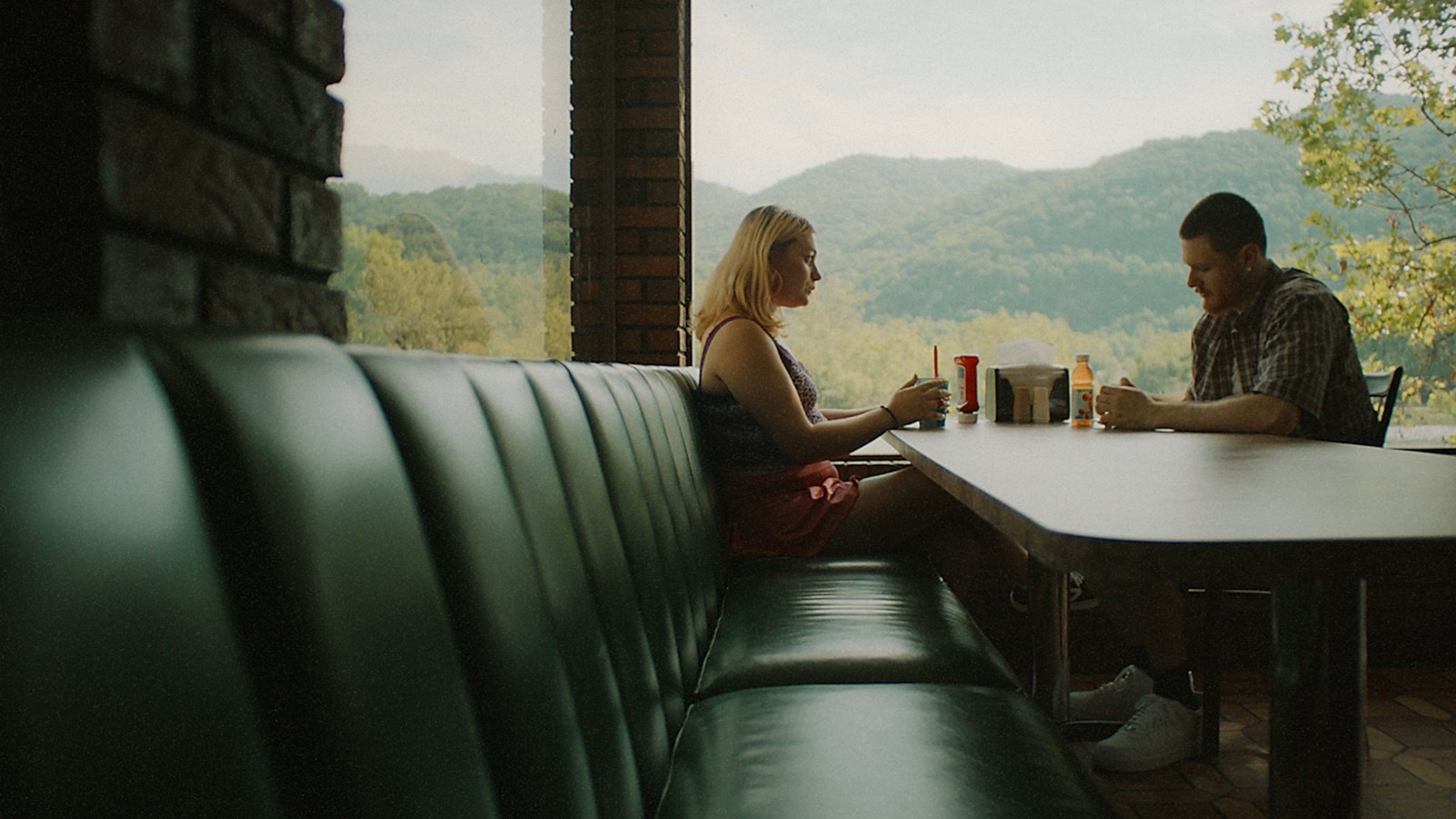
“You text louder than you speak,” Dane (Kyle Riggs) says to Nelly (Aphrodite Armstrong) during their first date. The narrative of a bored teenager and small-time local drug dealer could have easily felt very cliche, but West by God is filled with nuance and complexity, thus offering viewers a more interesting story with an ending that will only leave viewers craving more. At first, the story unravelling in this small West Virginia town feels reminiscent of so many before it, but layer by layer, it breaks archetypes. A sensitive depiction with keen attention to detail, West by God portrays two contrasting ends of young adulthood— Nelly is eager to become an adult, and Dane regrets getting there as quickly as he did. Beneath his masculine exterior, Dane has a contrasting softness, and in Nelly’s company, he shares a version of himself others don’t see. Used to everybody wanting something from him, Nelly is unlike anyone else in his life; by being a sympathetic ear to him, she in turn also realises that the playing field between them is much more level than it initially seemed. These characters are nothing like the stereotypes they could have been, and Armstrong and Riggs give two of the best performances on this list.


 Flip Screen
Leave a comment