
“Makes audiences feel both unsettled and deeply moved”
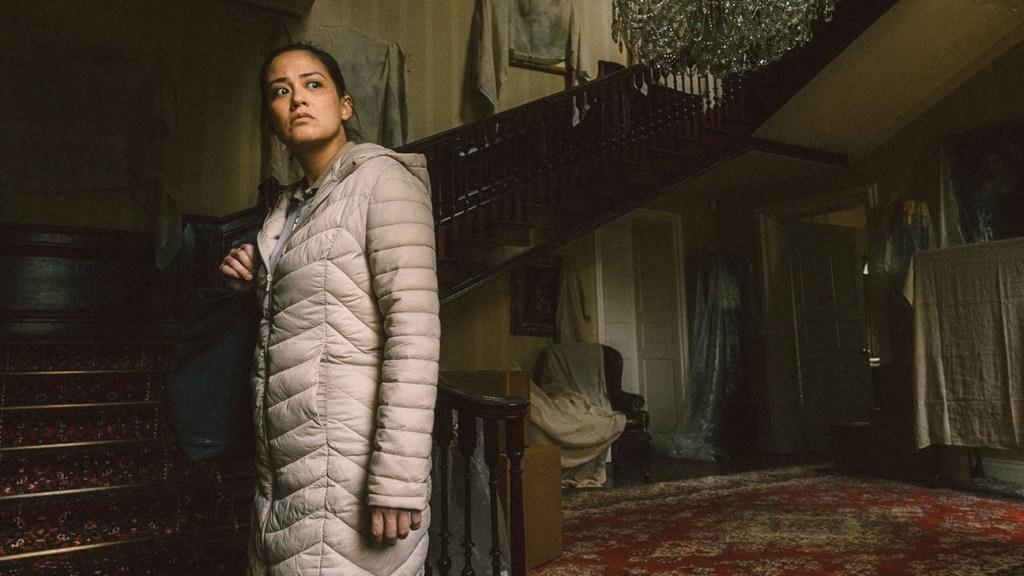
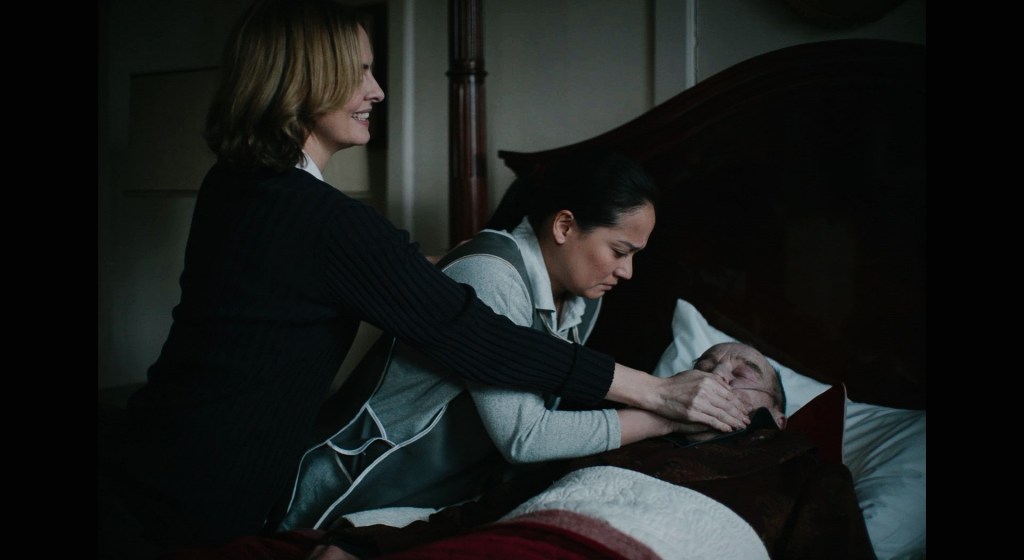
Sometimes a film stands out because of how effective it is as a response to societal injustice, conveying its ideas in a way that feels unique and relevant. This could not be more true of Paris Zarcilla’s Raging Grace, which explores the effects of postcolonial trauma on a Filipina mother and daughter through the lens of contemporary gothic horror. Joy (Maxene Eigenmann) is a single mother struggling to make ends meet, taking on work as a housekeeper in order to provide for herself and her young daughter Grace (Jaeden Paige Boadilla). When Joy gets offered a job by a wealthy white woman named Katherine (Leanne Best), whose uncle Mr Garrett (David Hayman) is terminally ill, she jumps at the opportunity because of the financial security it offers. After learning a disturbing truth about her new employer, Joy unexpectedly finds herself in the middle of an unnerving moral dilemma, while her relationship with Grace becomes increasingly strained.
One of the primary ideas expressed within postcolonial works is that of the colonized as ‘other,’ language which alienates and creates a distinctive binarism. The various characters within the house talk to Grace and Joy in a way that ‘others’ them, offhandedly referring to them as “you people”. It is an intentional linguistic choice to homogenize their lived experience as Filipinas with that of those who came before, dismissive of their individual lives. Katherine’s request that Joy make her a plain cheese sandwich rather than the traditional dish she is preparing, or Mr Garrett telling her the title with which she is to refer to him may seem fairly innocuous. However, these are continued microaggressions against Joy’s cultural identity, which is perceived as a threat to their own personal livelihood.
The prominence of a stately manor is considered a hallmark of the genre, with an intimidating grandiosity that often makes its new inhabitants feel out of place and ominous secrets concealed within its walls. Both of these aspects are very much true of the house inhabited by the characters in Raging Grace, which Katherine makes clear to Joy on several occasions is her place of work rather than her home, and therefore should be treated as such. It is yet another reminder of her status as an immigrant and outsider— someone who does not belong in this world, but has instead been brought into it through the kindness of someone with privilege and power.
Raging Grace is divided into several chapters, the title of each coming from a line in Rudyard Kipling’s poem “The White Man’s Burden”. During a Q&A session, Zarcilla reflected on the decision to directly quote this specific text within the film. He called it “the cherry on top of all the things that were going wrong in the world at that time,” saying it was “the one that just lit the bonfire” when it came to using his own personal rage as fuel for creation. Zarcilla also mentioned that Kipling had actually written the poem about Filipino colonization, a fact he himself only became aware of while reading up on it. Filipino tradition is imbued into many aspects of the film, from the medicinal remedy Joy prepares to the choral orchestrations heard throughout, and is done so in a way that feels celebratory.
Eigenmann brings an earnestness and desperation to Joy, while newcomer Boadilla shines in her portrayal of the mischievous Grace. Hayman’s portrayal of Mr Garrett is also a standout, successfully lulling viewers and characters alike into a deceptive comfort. While uncomfortable to watch at times, Zarcilla’s directorial debut is difficult to look away from. He has stated that he “aims to create meaningful, profound, genre-bending stories,” a mission which already comes across with clarity in his voice as a filmmaker. Raging Grace is a firecracker of a film that accomplishes what it sets out to achieve, with a powerfully told story that makes audiences feel both unsettled and deeply moved.
Director: Paris Zarcilla
Producer: Chi Thai
Cast: Maxene Eigenmann, Jaeden Paige Boadilla, David Hayman, Leanne Best
Release Date: 12th March 2023 (world premiere), 29th August 2023 (UK)



 Flip Screen
Leave a comment