The Fall of the House of Usher is Mike Flanagan’s last series for Netflix, and it’s finally here. Just like many of his previous projects for the streaming giant — The Haunting of Hill House, The Haunting of Bly Manor, and The Midnight Club — Flanagan adapts classic horror literature, this time taking inspiration from Edgar Allen Poe’s short stories. If anyone is interested in the Sackler family and Purdue Pharma’s contribution to the opioid crisis, the characters in The Fall of the House of Usher have a resemblance to that family. Flanagan combines his signature horror styles and themes with Poe’s work to create an epic family tragedy that unravels to reveal a dark history.
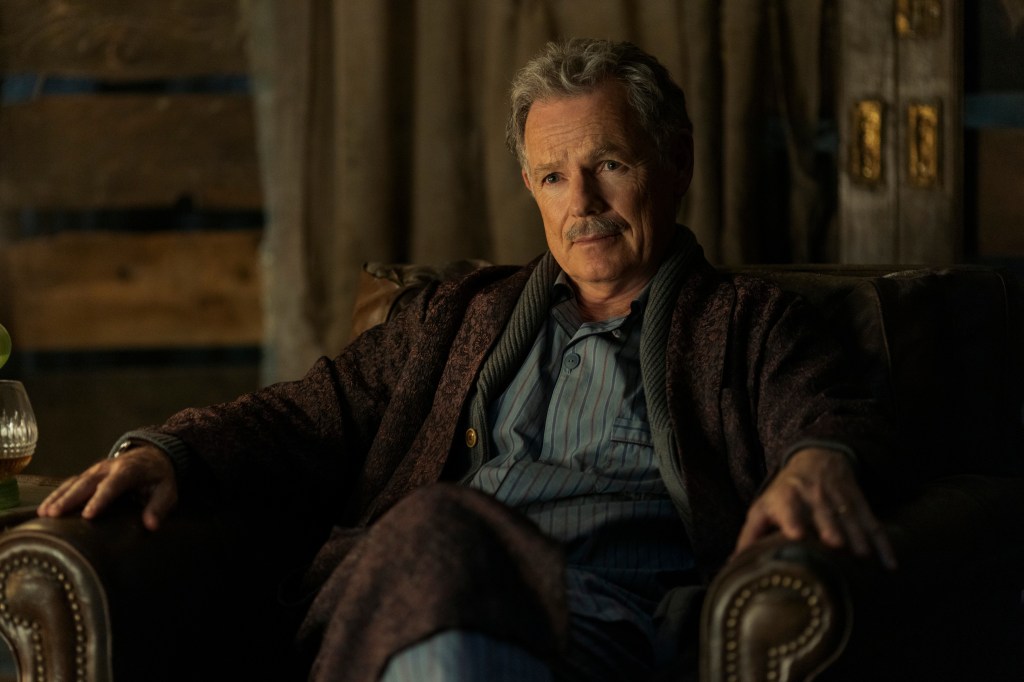
Roderick Usher (Bruce Greenwood) is the patriarch of the wealthy Usher family, and runs the Fortunato pharmaceutical company along with his twin sister, Madeline (Mary McDonnell). They have made billions of dollars by producing a dangerous opioid called Ligodone, a highly addictive substance that has led to the deaths of hundreds of thousands of people. The American government, led by prosecutor C. Auguste Dupin (Carl Lumbly), has tried to topple the Fortunato company for years, wanting to hold the Usher family accountable for these deaths. But Arthur Pym (Mark Hamill), the Usher family’s attorney, uses every method in his book — ethical or unethical — to get rid of any evidence.
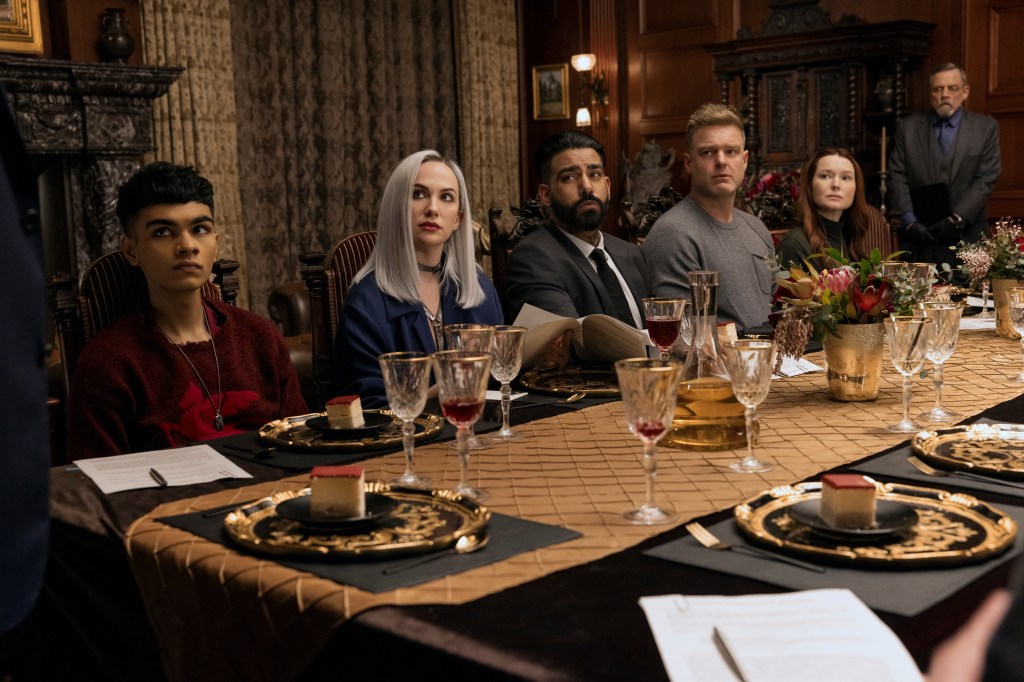
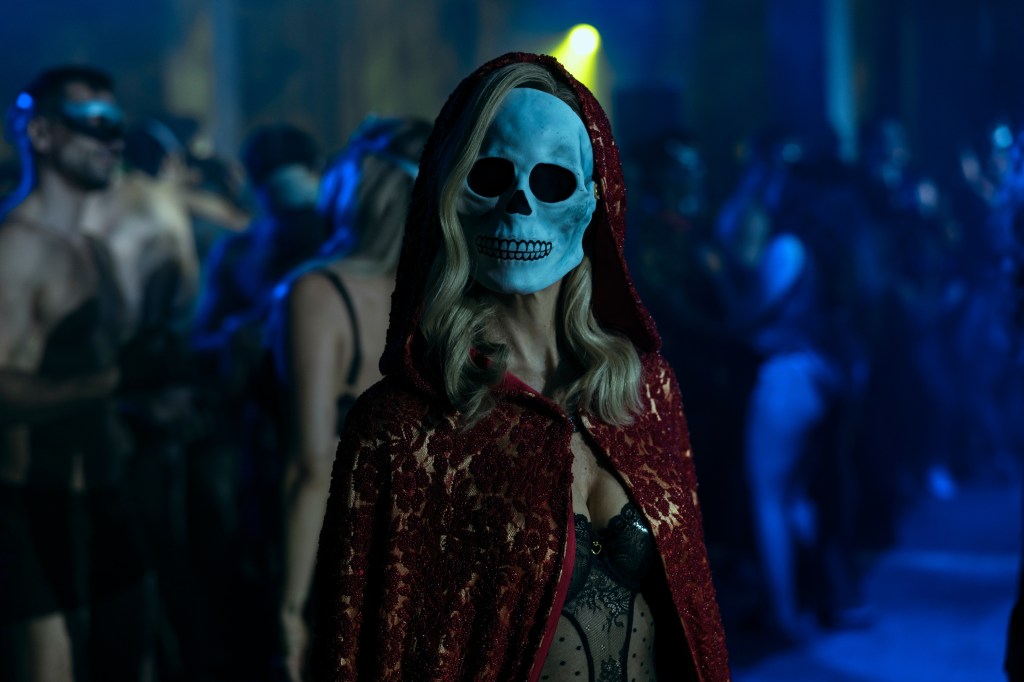
Amidst the most prominent case of Dupin’s life, all of Roderick’s children begin to die. He invites Dupin to his childhood home, the literal house of Usher, to explain why his six legitimate and illegitimate offspring were killed. His eldest son and the natural heir to the company, Frederick (Henry Thomas); the lifestyle guru, Tamerlane (Samantha Sloyan), who tries to step out of her father’s shadow and start her own company; the eldest illegitimate child and medical researcher, Victorine Lafourcade (T’Nia Miller); Fortunato’s personal relations expert, Camille L’Espanaye (Kate Siegel), video game enthusiast and funder, Napoleon (Rahul Kohli), and youngest child and party animal, Prospero (Sauriyan Sapkota) — all die under mysterious circumstances. Each episode unravels the privileged Usher family and focuses on the destruction of their lives at the hands of a mysterious shape-shifting woman, Verna (Carla Gugino), who decides their fate.
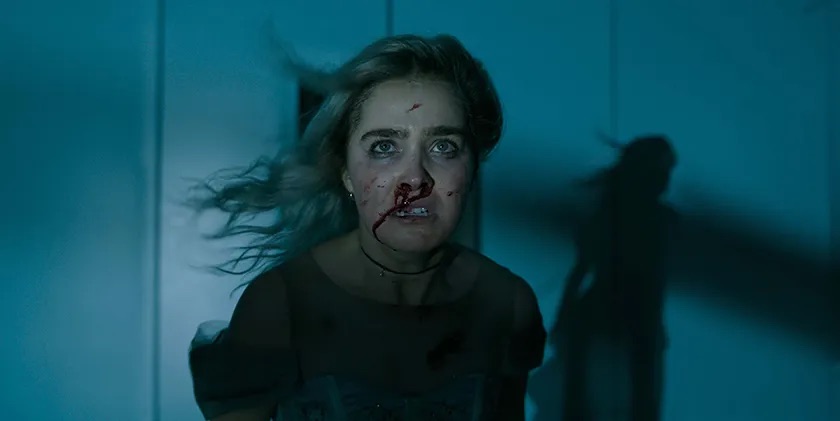
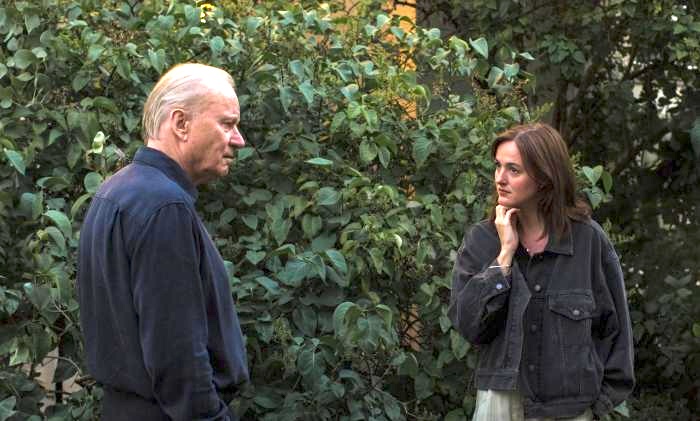
The Fall of the House of Usher is a massive story that weaves together the past mistakes of the Usher family and the present consequences of their actions, which befell them because of Roderick’s choice to live a different life. The series explores Roderick and Madeliner’s deep and troubled pasts, from their childhood to their young adult lives (where they are played by Willa Fitzgerald and Zach Gilford) as they become great people, but with selfish and moral costs.
In his other series, Flanagan tackles all kinds of themes, such as generational trauma, ghosts, and family (either blood or chosen). In The Fall of the House of Usher, Flanagan portrays the Usher family as people who aren’t inherently evil, but they aren’t angels either. They are the product of wealth and an endless amount of privilege, and bears no consequences for their actions, no matter what they do. Roderick’s children take advantage of his money and wealth, while also indirectly participating in the murder of many people. The only character who questions the Usher family’s morality is Verna, who disguises herself in many forms to hunt and pay for the karmic suffering of Roderick’s sins until the debt is collected.
There are many familiar faces back in The Fall of the House of Usher, and Flanagan’s famous monologues make a return with a simple message — the opioid crisis is harmful and results in the deaths of innocent people. Inevitable dread and darkness loom in the shadows, the sinister undertone of generational wealth and the political message behind the opioid crisis a caricature of the worst families in the world. The series is different from the previous iterations of horror stories Flanagan has adapted; it’s darker and gorier, focused on the characters’ disturbing deaths. But Flanagan consistently sticks to his signature storytelling, taking the viewer on a ride that shows clever writing and playful horror moments, as a horrendous family with a long history of trauma is crushed for their sins.



 Flip Screen
Leave a comment