

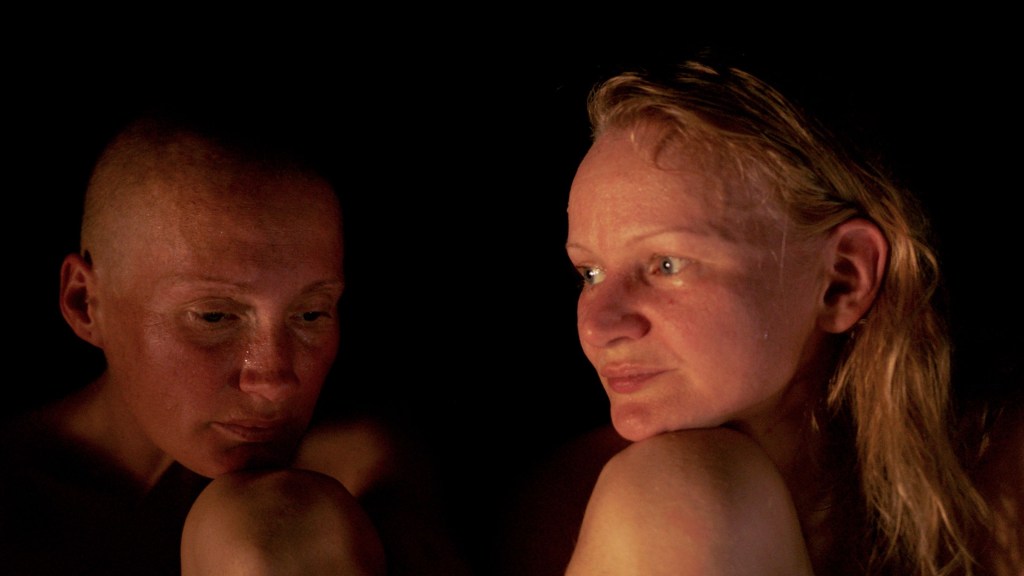
There are certain experiences many women go through that are difficult to talk about; for example, having a miscarriage or being sexually assaulted. However, it is important for these uncomfortable truths to be brought to light, especially within a society where women’s voices often have to fight to be heard. With her bold new documentary Smoke Sauna Sisterhood, director Anna Hints aims to destigmatize conversation around these topics, creating a safe environment to freely talk about them within a culturally sacred space. Our editor-in-chief Hayley Paskevich had the chance to chat with Hints about her debut feature film, touching on everything from sexualization and shame to why there is bravery in not only sharing people’s stories, but listening to them as well.
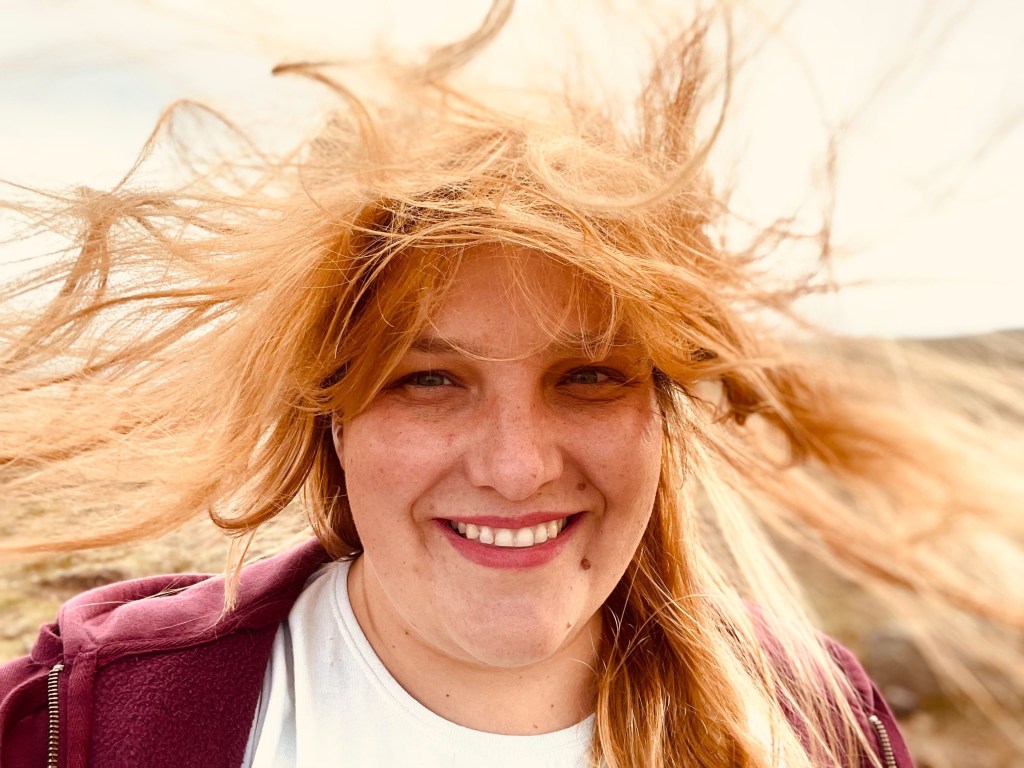
Hayley Paskevich: First of all, congrats on your directorial debut. It must be really great to finally have this film out there in the world.
Anna Hints: Thank you so much. It’s pretty mind-blowing for me.
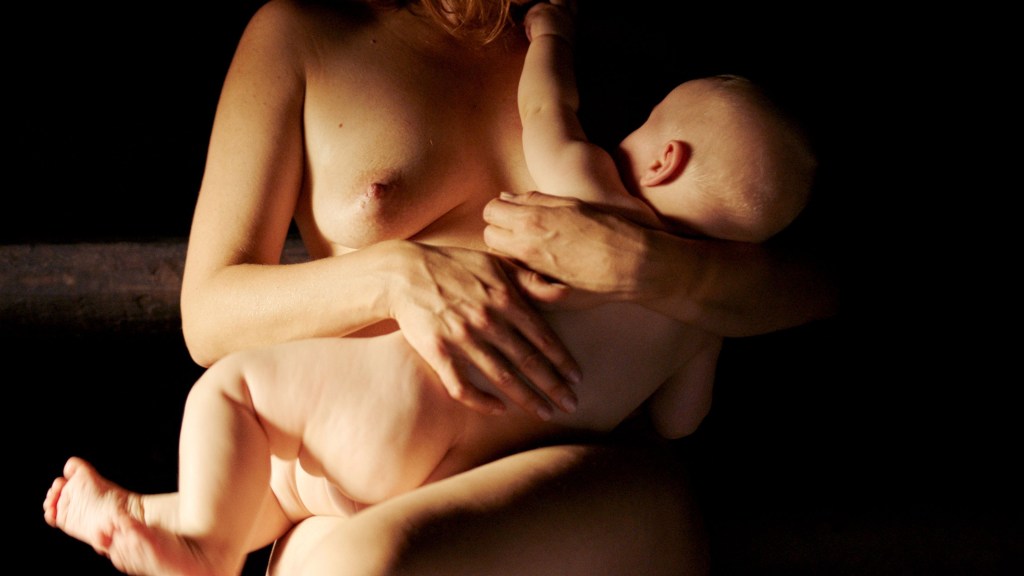
HP: So I had a chance to watch it last night, and I quite enjoyed it. It was very different from anything I’d watched before and I found that it was very beautifully done too. Even though it was focused on female bodies, it didn’t feel sexualized at all, which I think is really refreshing because sometimes you can look at an image of a naked woman and view it as a sexual thing, but it doesn’t have to be. It’s just people being people and freely expressing themselves. So I quite enjoyed that aspect of it. Can you talk about why you chose to begin Smoke Sauna Sisterhood the way you did with the striking image of motherhood as a source of strength?
AH: This image came to me in dream while editing and I was like, okay, there is power in that. And then we tried it out in the edit.
HP: What was it that made this such a complex film in the technical regard?
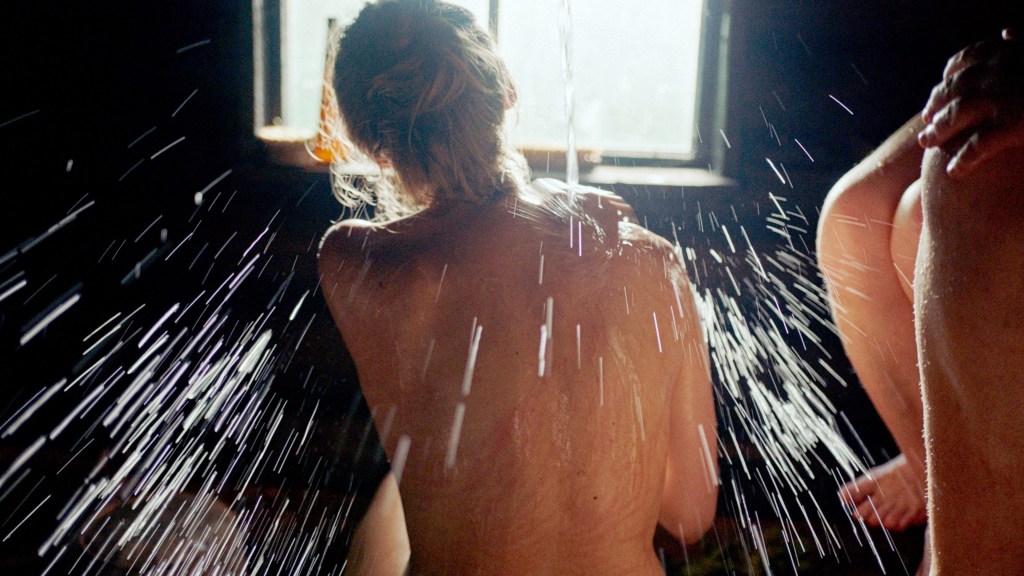
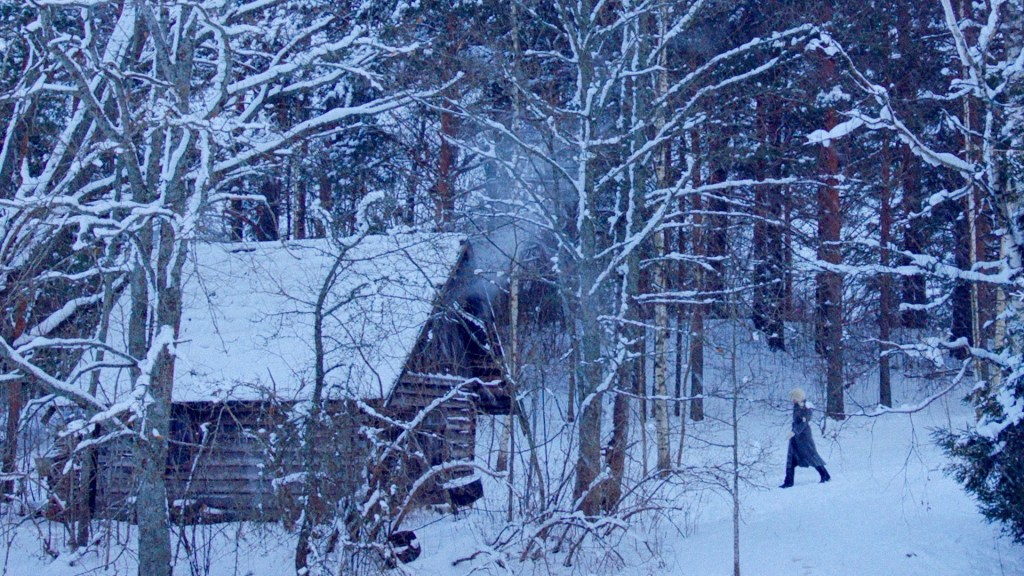
AH: [When] you weave together the fabric of film, it needs time. I made the film [over] seven years, so when I was still filming, I also started to edit. It’s really diving into the material and starting to sense what is there because I’m looking for aliveness and certain energy in art and I think it needs respectfulness, especially this kind of film that was so intimate depicting the central old tradition of smoke sauna. It’s very important to understand that smoke sauna is a place where women used to give birth and wash the dead and heal and the nakedness is nothing sexual.
When we’re in the womb and as small babies, and there are different generations, different bodies, it is very powerful to be naked together and [I had to be sensitive on] how to capture that nakedness exactly so that it is not sexualized. And this is not just physical nakedness, but it is emotional nakedness. It’s the vulnerability of really being there and in that kind of dark cosmic room because it takes everything and you really wash your body, but you also wash your soul and emotions and no story, no experience, is too shameful or too painful. Everything is there. And when you bleed, for example, [when] you’re having menstruation, you bleed there together with others. I had this trust between the women, [and] I had this rule that I will not persuade anyone. [If] I felt hesitation, then for me it was [a] no.
I was against [what we filmed being owned by a production company]. We’re taking the voices of women away. So we had to trust that only in the post-production, in the edit, when I put a certain cut together, I show it to the women and then they have the right to say yes or no. What was good was that I showed it [to the women] and nobody said no because they were included in the process throughout. But you cannot do that in a rush. The challenges were not technical, but emotional— how to hold that space by feeling inside smoke sauna, the emotional space, making sure everyone is [emotionally] safe, making sure everyone is physically safe because it’s hot, and you are there for several hours. It is such a responsibility to hold those stories and to edit it together.
HP: That’s a very thoughtful answer, thank you for that. Seven years of material that would absolutely give you— like you said, when it comes to the emotional breadth of what you can work with and the fact too that you want to do it in a way that feels sensitive and it’s really honoring these women and their experiences. You don’t want anyone to feel violated. You want everyone to feel absolutely comfortable with what’s being put out there in the world. Not only do the woman discuss these topics that are often stigmatized by society like menstruation and sexual assault, they do so in the nude. Why do you think that this complete nakedness in the literal and metaphorical sense you spoke of is such an empowering thing?
AH: I really know that from my own experience because I’m born into that culture. You can say indigenous culture of Estonia, Southeast Estonia, our tribes are called Vōro and Seto. And this is something that I have seen and experienced. I realized [the] power in this kind of nakedness and vulnerability when I was 11 years old and my grandfather had died. One day before [the] funeral, my granny revealed that grandfather had actually betrayed her and lived with another woman for several years. She released all the emotions like hurt and pain and anger. And we are there all naked— my aunt, different generations of women, we are there. In smoke sauna, when somebody shares something, the others listen. Because very often what happens is that we look for validation from somewhere, but when you are really listened [to], you are embracing your reality, you are embracing, you are giving voice to all these experiences and you are starting to accept yourself, your body and your emotions and everything in a very deep level. So my granny was doing this, and she made peace with grandfather, and seeing my granny releasing all these things naked there as an old woman already, it [gave] me this kind of courage and understanding not to be afraid of uncomfortable experiences or emotions. There is a safe space where everything can come out and it has huge healing power. We empower ourselves.This kind of courage has led me throughout my life and throughout my own painful experiences. I wanted to give that kind of space for others through [transforming] this dark smoke sauna space into the dark cinema hall where you are part of them. Also because we are so used to seeing female bodies sexualized, objectified, especially in advertisement.
HP: Absolutely, there’s a lot of exploitation. There’s a lot of commodification of women’s bodies, and it’s not always presented in this beautiful, natural way where they can just exist kind of free from that male gaze, free from that stigmatization.
AH: Exactly. And I’m like, no, there is another way. I went to [my granny] two weeks before [she died] and I was like, “Gran, can I take photos of you?” She [only] had underwear on and I was like, “Wow, I love this.” This is owning your reality, owning your body, every inch of that. And I think we really need that because this oversexualization.It’s like society has hijacked our bodies, female bodies.
HP: Absolutely. They’ve made it so there’s certain ways that women feel that we have to dress and act and present to the world.
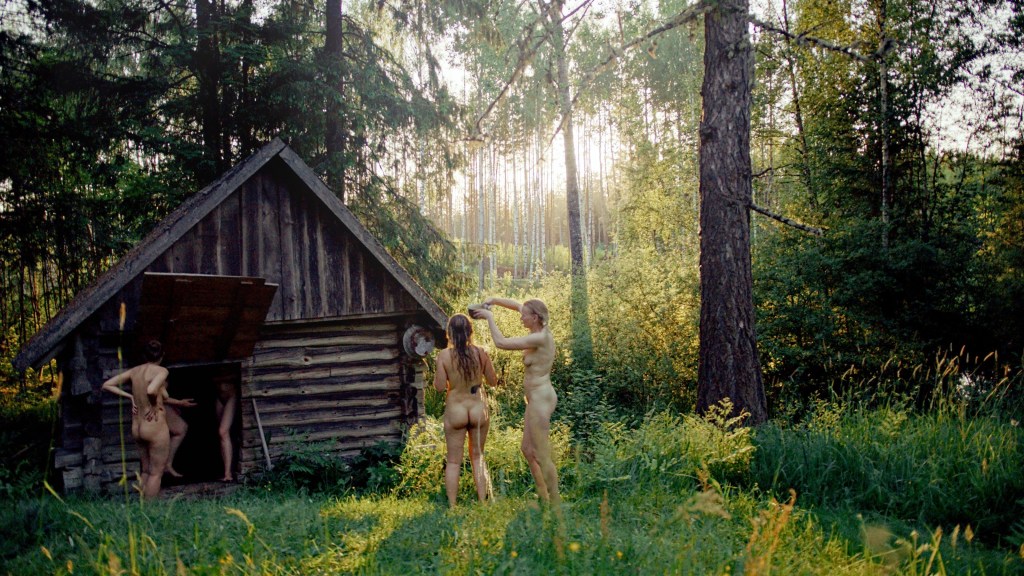
AH: Yeah, exactly. When you enter smoke sauna, you take off your physical clothes, but you also take off your emotional clothes or this kind of concept we have about ourselves. My granny used to say that you enter there and you can always transform, you can always recreate yourself, you can always redefine yourself. It has that kind of power [and] space and encourages you not to be afraid of the steep vulnerability and nakedness in that way and that you can be also connected with others like that. I feel a lot of us, we all yearn for connection, but there’s not really an easy way there. To be really connected is going through the vulnerability that I open up and you open up and we really connect. When people ask me “how do [you] do?” I understand, it’s just like “hello” or something. But maybe we should actually talk much more and ask how are we [really] doing?
HP: Oh, I absolutely understand where you’re coming from. So I’m from Canada, and when I came over here, people started saying things like “You alright?” or just a sort of greeting that I’m not familiar with as a greeting, and it sounds like they’re wanting to know more about your current well-being, when in reality it’s just more of a hello. And it is very awkward to navigate that conversational situation when you don’t understand their intent. It would be nice if people were able to be more open and vulnerable. I think that’s a huge thing in society too, the stigma around mental health, where you’re almost conditioned to just be like, “Everything’s fine, I’m going about my day.” And you don’t really want to probe those emotional depths too much.
AH: I feel that it is possible [to be vulnerable], the healthier we become [as] a society when we have [these] kinds of safe spaces to actually say how we are doing. And for that we need the courage not just to share, but also the courage to listen— to really listen, to learn the courage to listen when somebody is sharing and not starting to react or not starting to teach. Just listening. Just really listening. There’s huge power in that.
HP: What you’re saying about listening, that actually makes me think of something I thought of while I was watching the film, which is that I noticed there were several moments where one of the women would be telling a story about a traumatic experience she’d endured, but the camera would actually be focused not on her, but on one of the other women’s reactions. And based on what you said— why do you think seeing people’s visceral response to that trauma can make the stories even more impactful? Like you said, there is that power in listening and in being able to hold the space for other people, and I think being forced to watch someone holding that space can be a difficult experience, but it’s an important one.
AH: I mean, you are very nicely articulating what I am feeling. I feel it’s very important. And through that listening, through focusing on the listening, we as the audience all listen. And I really feel this is very, very important. The courage to speak up, but also the courage to listen.
HP: I really like that, the idea of the courage to listen because you don’t usually think of that. I feel that it is so often, “Oh, you’re so brave for sharing what you’re going through,” but there is an inherent bravery as well in being okay with accepting the vulnerability of someone else’s story. And so taking that into your own and just really sitting with it and processing it— and I think there is so much trauma unfortunately going on in the world, it can be difficult for people to actually arrive at that point sometimes when it’s not always a comfortable thing. I think what you’re getting at there is that it’s not always comfortable to allow yourself the opportunity to have that experience of listening, but it is ultimately a very worthwhile thing.
AH: Yes. And I’m encouraging people to be okay with uncomfortableness. That’s the thing. I think this is the biggest experience that I have gotten through being born into the smoke sauna culture, that it is [a] normal part of existence. It’s fine when it is uncomfortable.
HP: Everything’s very much laid bare and presented for what it is. It’s all the experiences the women discuss. It’s quite candid. You can tell they’ve not rehearsed a script on what they’re going to say. They’re just coming forth with their truth. The other women’s reactions are quite genuine as well.
AH: I had this rule that we don’t talk about what we are going to talk about in smoke sauna before entering there. So it was always entering into [the] unknown. We didn’t know what stories [would] come up. [My] cinematographer and [I] had to be ready to capture those miracles. These stories are born there in front of [the] camera and one smoke session lasts around four hours. It was always organic and unpredictable. But because I come from that culture, I have trust that there will be stories I am not afraid of. First physical dirt starts to come to the surface, but then the emotional dirt, also it needs time. You couldn’t do smoke sauna in [a] rush, it wouldn’t work. Our longest session actually lasted for eight hours.
HP: The more you talk about this process, the more I understand why the editing took as long as it did because it’s a very complex thing and like you said, a very sensitive thing. Why did you choose film as the medium? I know that you said your granny was a big inspiration and you grew up in the culture, but what was it about this particular idea of the smoke sauna as a cathartic space that you felt so strongly about exploring through film?
AH: Yeah, actually it was a complete moment for that. In 2015, I was in [a Buddhist] monastery with my mom in Thailand. [And I] have a really turbulent relationship with my mom. We were doing 26 days of silence retreat, meditation retreat. You couldn’t read, you couldn’t write, you couldn’t talk. And then, I think it was around [the] tenth or twelfth day, [the film] came there in a vision. When [you can’t] speak, suddenly you start to hear voices inside your head and I was like, “But who are these voices really belonging to?” I started to understand that often we think that we speak with our voice, but is it really our voice or is it like our ancestors’ voice, or is it like somebody’s voice telling us how to be?
HP: That’s a good question. It’s like where are these inner voices coming from? They’re not coming from nowhere.
AH: Exactly. Exactly. And a lot of voices. And also within those voices I started to notice silence. But the silence also— like silenced voices, voices that have been silenced. And in that process of being in meditation and without speaking, I realized the power of voice or how important it is to take the journey to find your voice or question those voices and speak up. So there came this vision for the film [of] putting my lifelong experience of smoke sauna space as this cleansing, warm, cosmic space and the power of voices and focusing on women because women have been especially important [for smoke sauna] because of giving birth and washing the dead and healing and giving the space for these voices to be. So it was [a] very, very strong vision. I felt [film as a medium] could transform this experience of the smoke sauna and the voices to the cinema hall and to the audiences.
HP: This has been such a pleasure to speak to you. What are your hopes for Smoke Sauna Sisterhood now that it’s out there in the world, and are there any feature projects on your radar?
AH: After every screening, there are people— I say people because they’re from different genders—who come, who cry, who share their stories, who are very moved. [The film] premiered in Sundance, and after that I’ve been traveling the whole world, and there was a Japanese woman who went to see the film six times, and she said because in her tradition, there is not the tradition of being vulnerable with each other, so she’s processing her own things. Then there was a woman who was 65 to 70 years old and she wrote to me that after watching the film, she booked a new photographer to take new pictures of herself because she had been at war with her body throughout [her] life and she got empowerment [from the film].
Also, I just understand that there is such [a] deep need for these kinds of safe spaces for this kind of connection. So I’m just so grateful for all the responses. It has been really just so heartwarming and this is the biggest award for me—when it touches people and they can relate to their own voices and experiences. About feature— yes, there are projects in [development].
HP: We definitely look forward to seeing more from you, and I totally agree with what you said. You want to put art out in the world that really emotionally resonates with people, and you absolutely have done that with this film. Thank you so much for taking the time to chat with me today. This has been very enlightening, very inspiring, and an absolute pleasure.
AH: Thank you so much, Hayley. All the very best to you.



 Flip Screen
Leave a comment