“I think it’s about a tree.”
These were the words I used to describe Silent Friend immediately before seeing it at the BFI London Film Festival 2025, at the end of a triple-bill day when I could barely tell you where I was or what year we were in after having been in and out of so many different stories by that point in the festival. While in many ways this is an accurate description, it would be a great oversimplification of this film.
Ildikó Enyedi’s Silent Friend is a sprawling narrative about humanity, history and the overwhelming presence of nature that we often overlook. It is potentially one of the most creative and gorgeous films I can recall having watched in the cinema. It definitely did feel its two-and-a-half-hour runtime, considering its slow pace and lack of action, but the feelings of awe, wonder and hope that it left me with were definitely worth the time it spent exploring these stories.
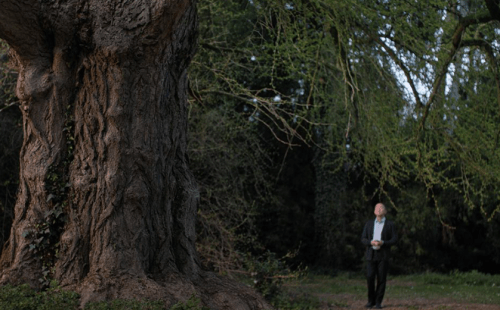
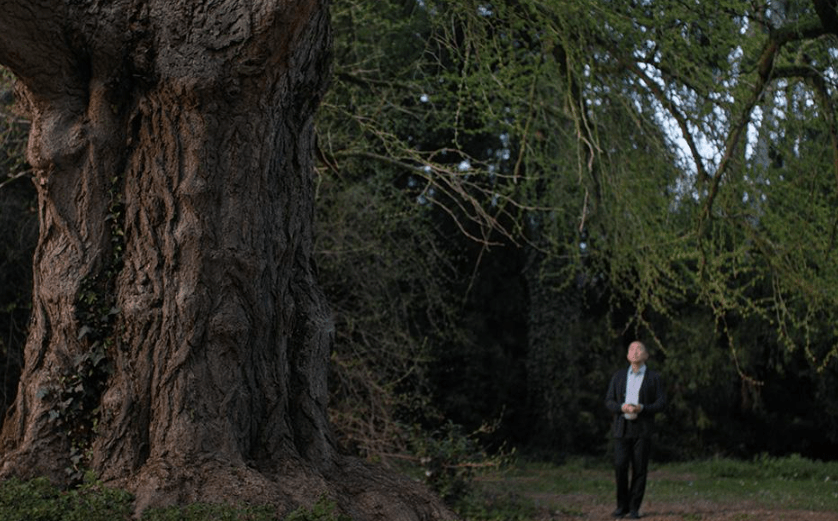
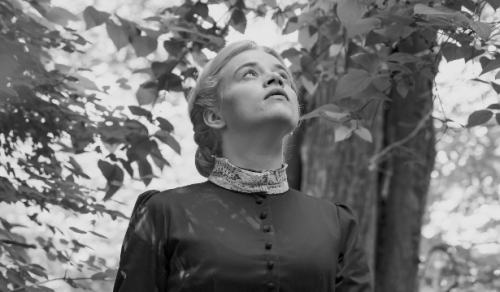
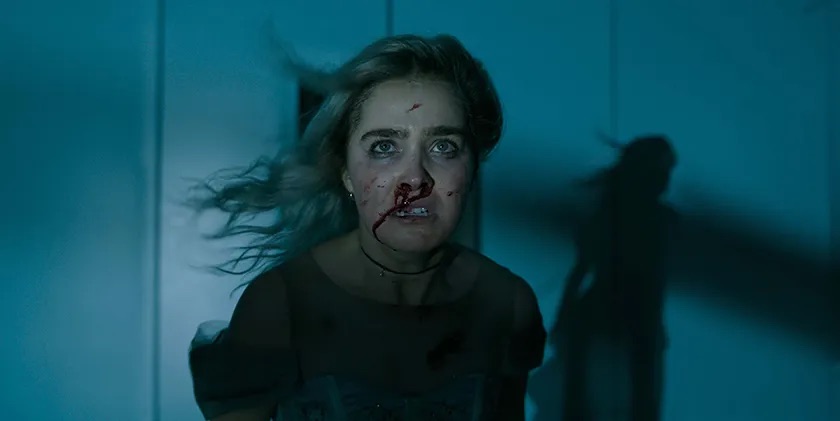
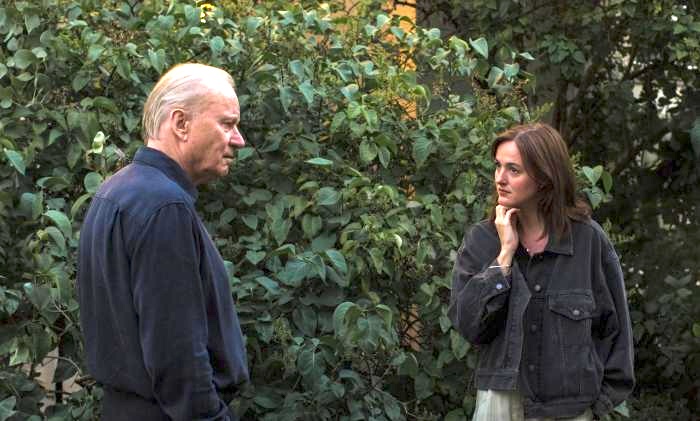
Silent Friend is split into three distinct narratives. Beginning in 2020 at the start of the Covid-19 pandemic, we are introduced to the imposing Ginkgo biloba tree that stands in the grounds of a German university. Through Dr Tony Wong (Tony Leung Chiu-wai), a professor at the university who becomes fascinated by the majestic tree, we begin our journey across a century and witness the different lives that intersect with this tree over time. From the film’s opening in 2020 we are next transported to the year 1908, in which we follow the story of Grete (Luna Wedler), the first woman to be admitted to the university’s botany course, and then to the 1970s as we observe Hannes (Enzo Brumm), a student entrusted with looking after the geranium his classmate is studying while she is away. What follows is a beautiful exploration of the interconnected relationship between humans and nature, reminding us of the life that exists around us every day – the silent presence we may not even notice, until we do.
One of the most effective decisions in this film is the use of different camera styles and colours for each period of time. From the black and white of the early 1900s to the warm tones of the 1970s and the modern aesthetic of the 2020s, the film clearly defines each moment in time. It reinforces the differences between each period, while maintaining the constant of the ginkgo tree and how little it is impacted by the changes in culture, fashion and technology that separate each human story so distinctly. Our journey through time is instantly evident not only by the colours but also by the shifting filming techniques, with the earliest period shot on 35mm film, followed by 16mm film, until we reach the digital presentation of the modern day. Silent Friend is both a love letter to film and to nature, juxtaposing the evolution of cinema with the constants of the natural world.
Despite the film’s length, it does still struggle to balance its switching narratives. We see only glimpses of these characters’ lives, jumping very quickly between each period with many questions left unexplored. However, maybe this is the film’s intention. Each character leads their own uniquely rich and personal life, of which we see only a small fragment, that is fleeting in the grand and expansive life of the tree. It leads us to question how others throughout time have interacted with the same nature that exists around us now. How many others also climbed that tree you did as a child, or admired the same views that continue to inspire us now? People often say ‘If these walls could talk …’, but what about these trees, these plants, this earth?
Silent Friend is a film that stays with you long after the credits roll. It continues to raise questions in your mind and urges you to view the world with a fresh perspective. The more I think about this film, the more I compare the experience of watching it to an immersive art exhibition – so rich in detail yet so much left to the imagination. It reminds us of the fleeting nature of our lives, yet how meaningful each moment is in the rich tapestry of history and the human experience.




Leave a comment